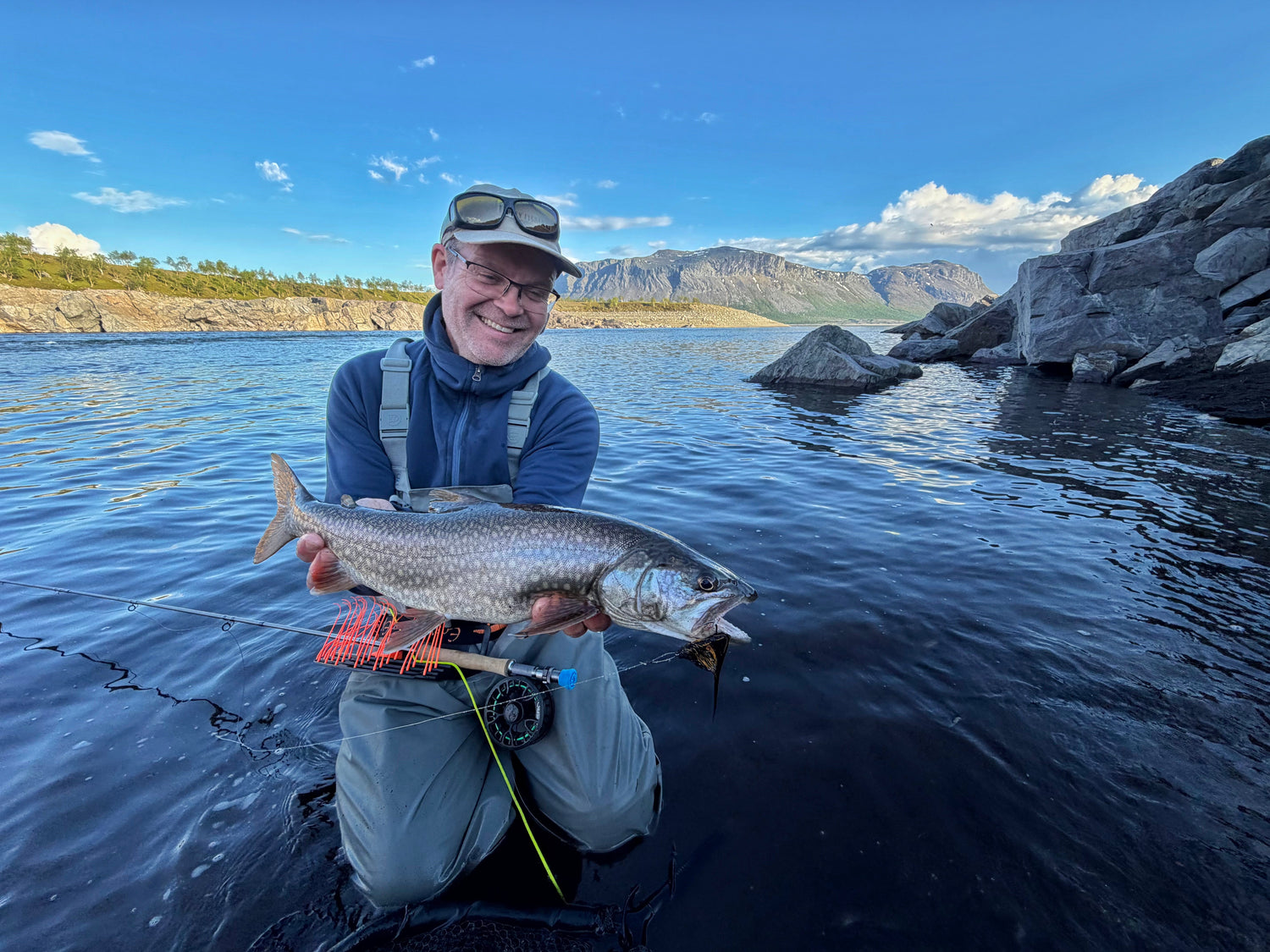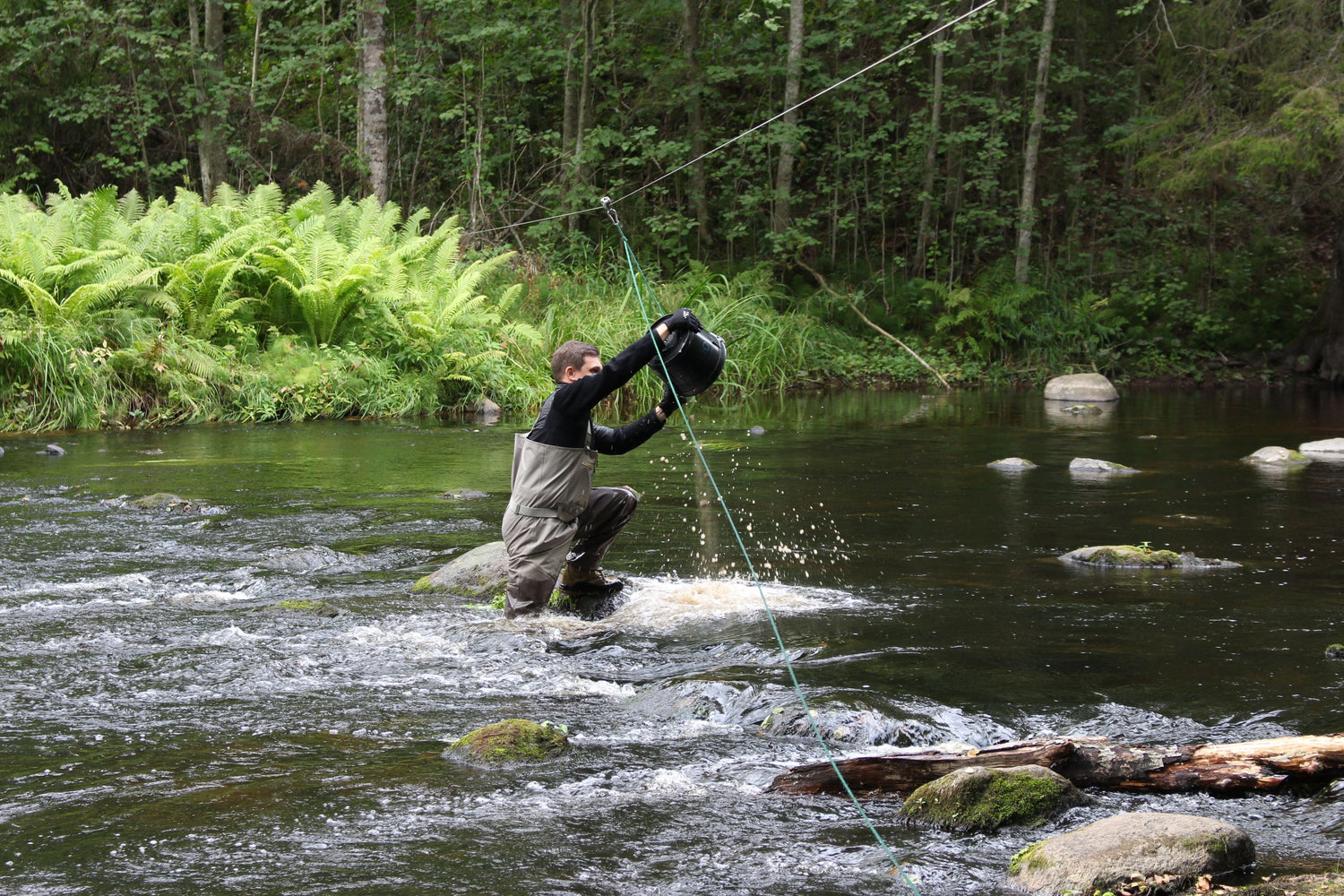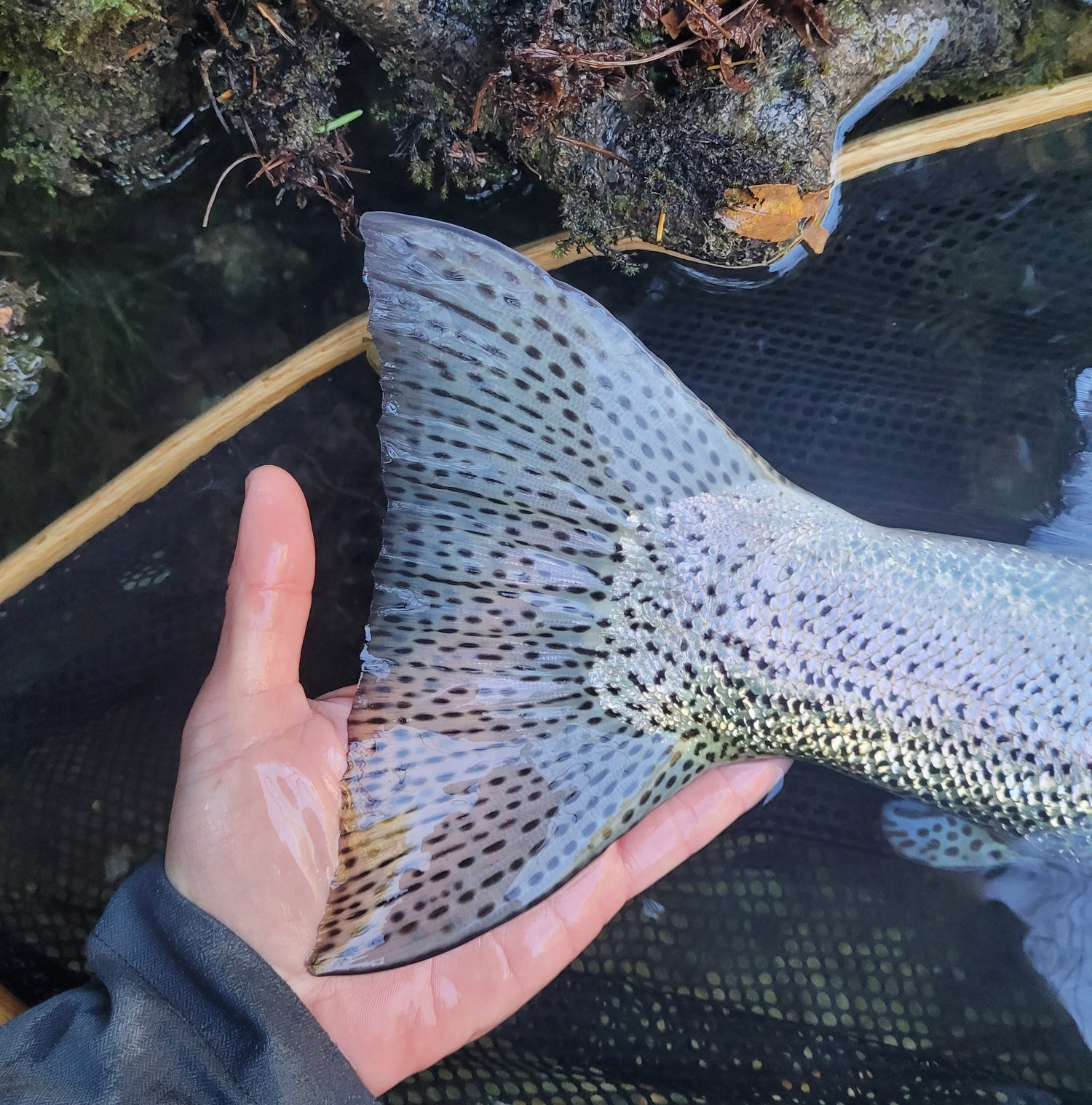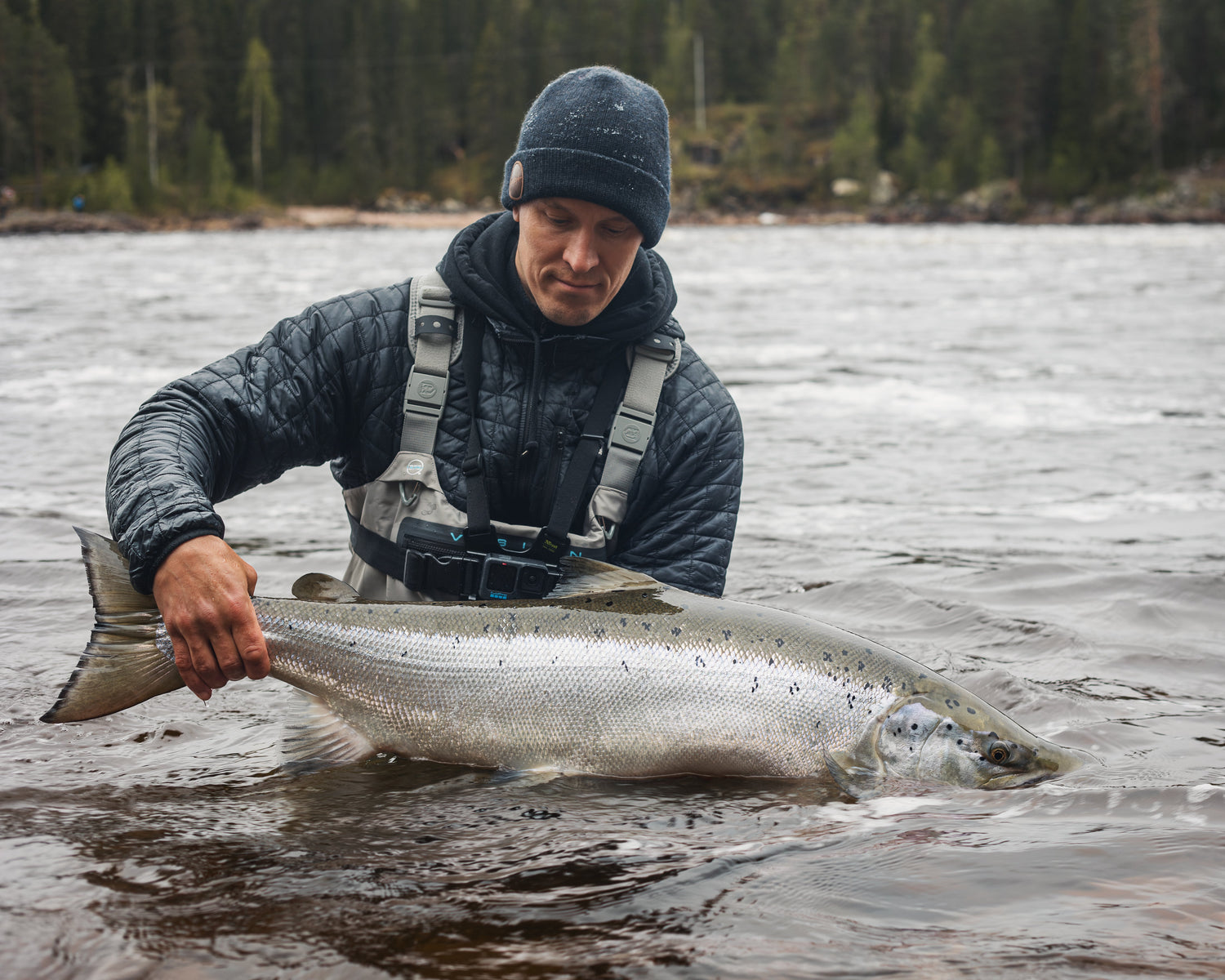
Text & Photos: Hans-Henrik Grøn / Vision Pro Team
Some anglers swear by onshore winds, rough water and challenging conditions when chasing sea trout. I’ve never fully agreed. Why make it harder than it needs to be, when you can experience the opposite? A calm fjord, rising fish and one of the most demanding and rewarding types of sea trout fishing there is?
 Lovely morning with rising trout, what more could you ask for?
It’s early May. Coffee is brewing, the car is packed, and the forecast shows what I secretly hope for, but rarely get, no wind. The fjord lies still as I arrive. It doesn’t take long before it happens. A rise close to shore. In that moment, everything shrinks. The fjord, the landscape, it all fades away. There’s only me and that fish. I place a careful cast ahead of its path. The fly lands softly. Some gentle strips, then a pause… and then—fish on!
This is the essence of sea trout fishing for me.

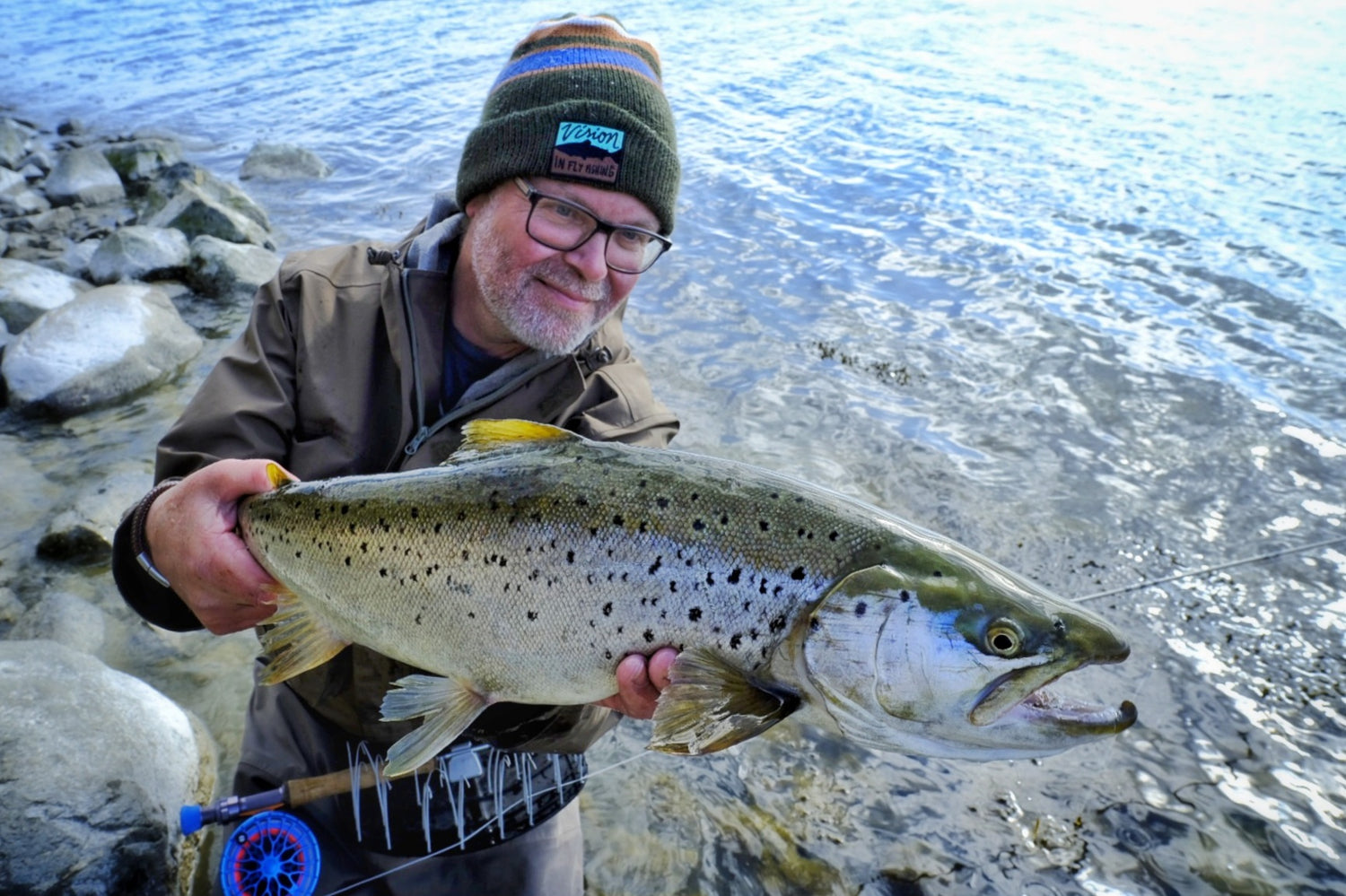
A beautiful sea trout that was rising. Fished with my Onkii fly rod.
Rising Fish in Freezing Conditions
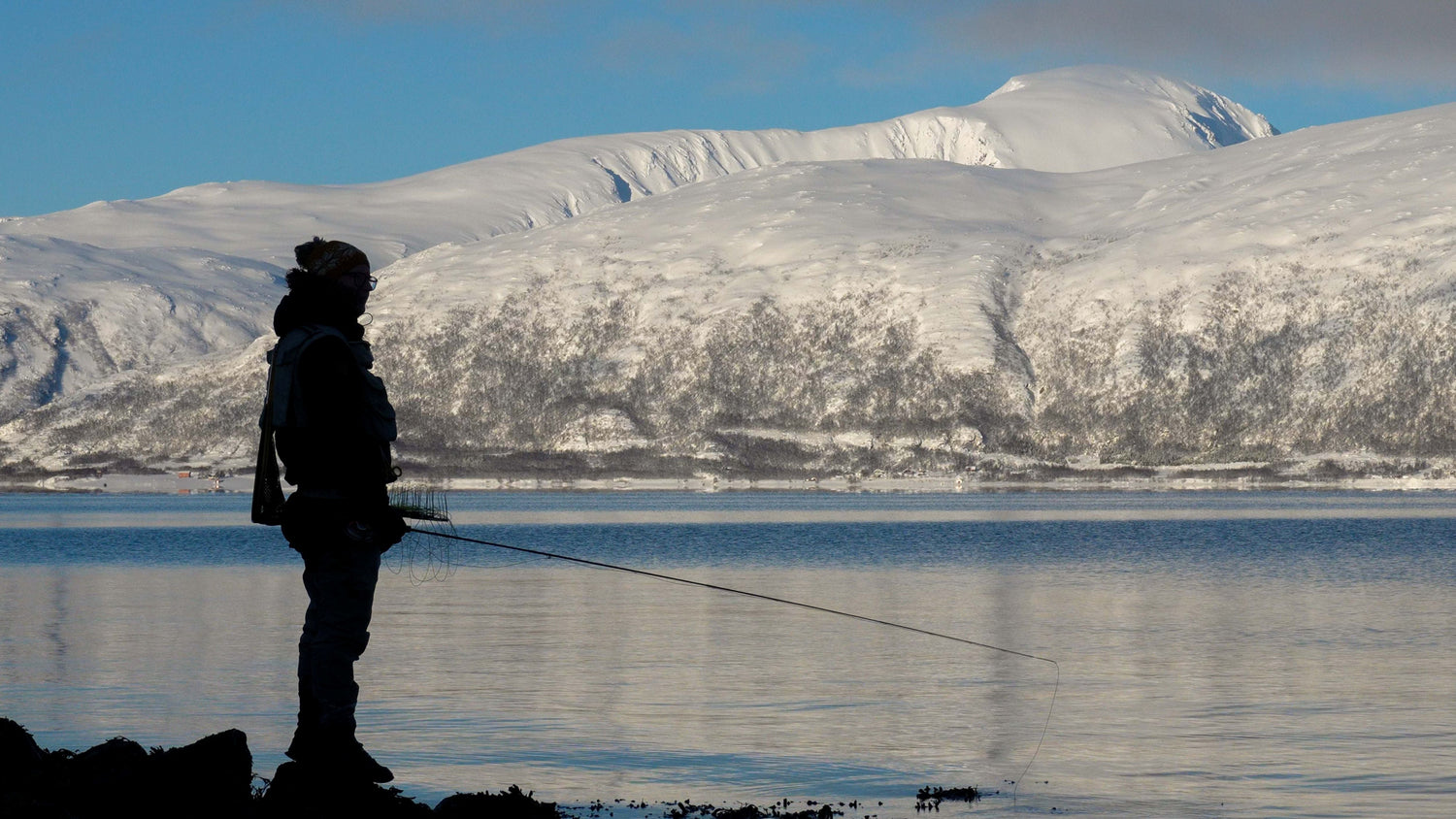
But this isn’t only a spring phenomenon. Some of the most special fishing I experience happens in the middle of winter. Have you ever seen a trout rise in –12°C air, with ice forming in your rod guides?
For me, this is often how the fishing year begins. Layers of wool, ice building up in the rod guides, and rising sea trout feeding on tiny krill in February. It is harsh and uncomfortable, but at the same time, an incredibly unique experience so early in the season.

A cold day in February. The sun has just returned after two months of polar night.
In winter, sea trout are not present everywhere along the coast, but when you find them, chances are they are feeding close to the surface. They rise frequently, but they move slowly. Subtle. Hesitant. If you feel the take, you are already too late. You have to see it happen and react instantly. It reminds me about dry fly fishing.
These conditions often come together during calm weather windows. A few days of offshore wind can create stable, flat water even in the middle of winter and suddenly, the opportunity is there.
A fish on at the end of the session. I could barely feel my fingers, and my toes were long gone.
Reading Rising Fish
Rising sea trout in a fjord is very different from the classic image of wind, waves and covering water. In calm conditions, you need to slow down and truly read what is happening in front of you. Subtle rises can be deceptive. What looks like a small fish is often something entirely different. I have experienced it many times, a quiet ripple suddenly revealing a solid fish.

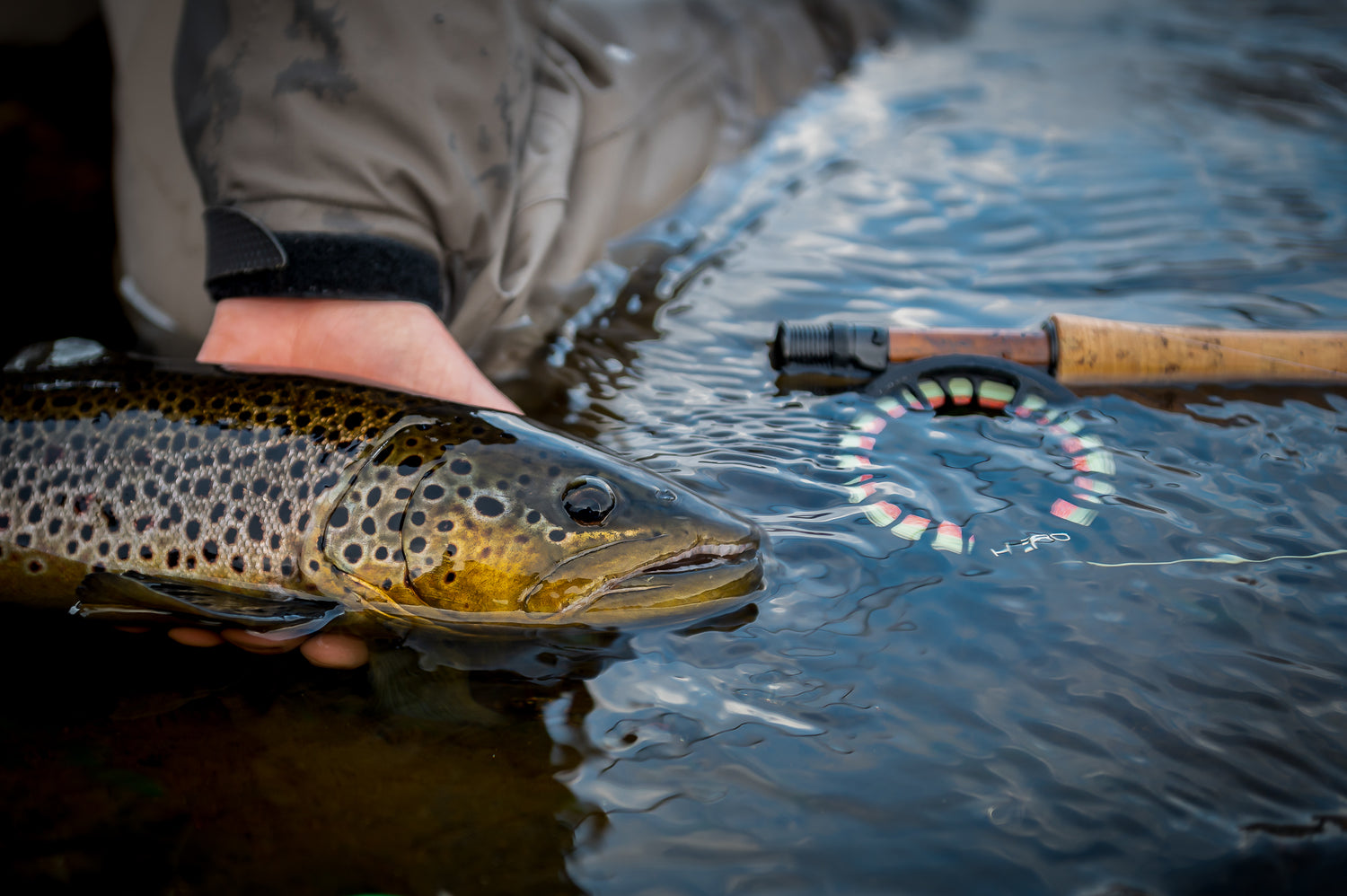
Subtle rising rings revealed a wild fish that struck just outside the kelp bed.
When fish are feeding at the surface, patience becomes everything. Cast less and observe more. I often keep my line prepared in the basket and the fly ready in my hand. When the opportunity appears, the presentation must be quick but controlled.
Placement is critical. Instead of casting directly on the rise, the fly should land ahead of the fish, in its swimming direction. You are not trying to hit the moment, you are trying to intercept it.
The retrieve should match what the fish is feeding on. Slow, subtle strips work well with shrimp patterns. A hand-twist retrieve is often effective with small scuds. But more often than not, it is the pause that triggers the take.
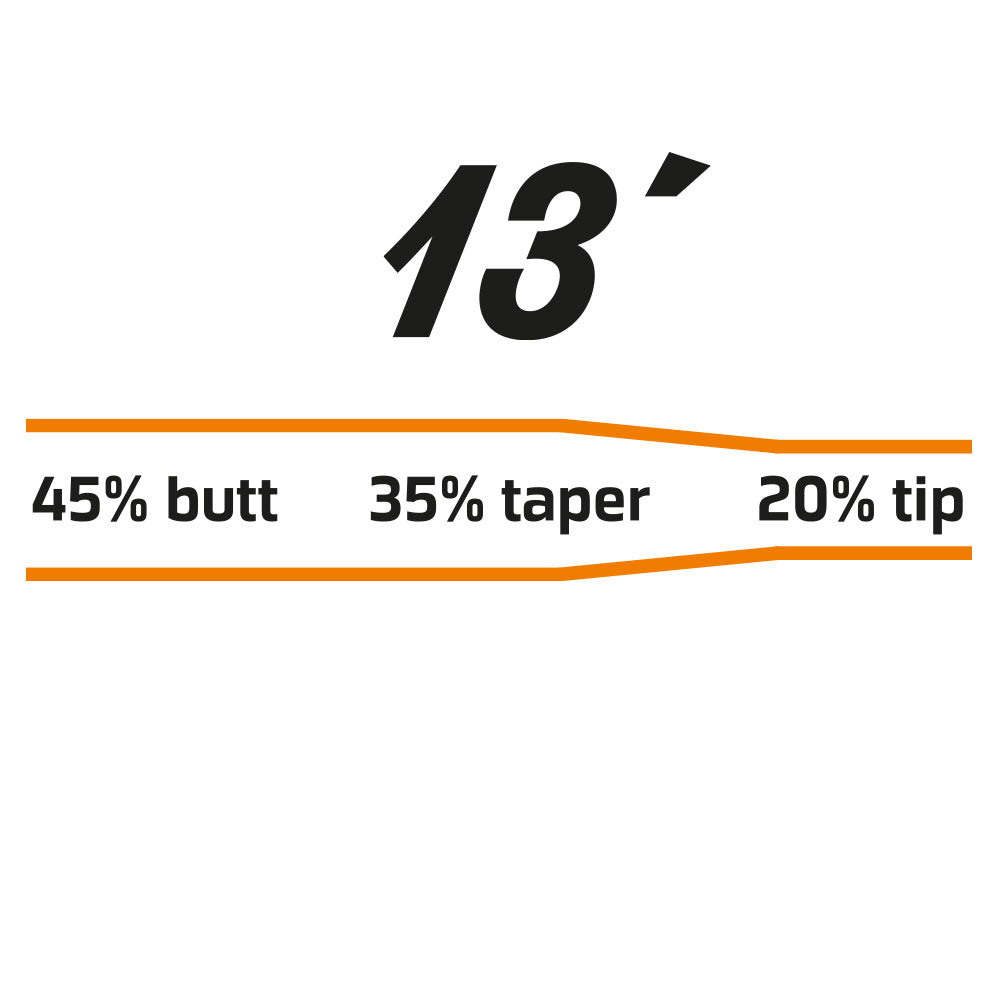
Calm conditions allow for lighter gear. I have fished for rising sea trout with rods as light as a class 3, but I usually prefer a class 5 or 6 for better control when a larger fish takes. Floating lines or slow intermediate lines are ideal, combined with long leaders in the 12 to 16 foot range.

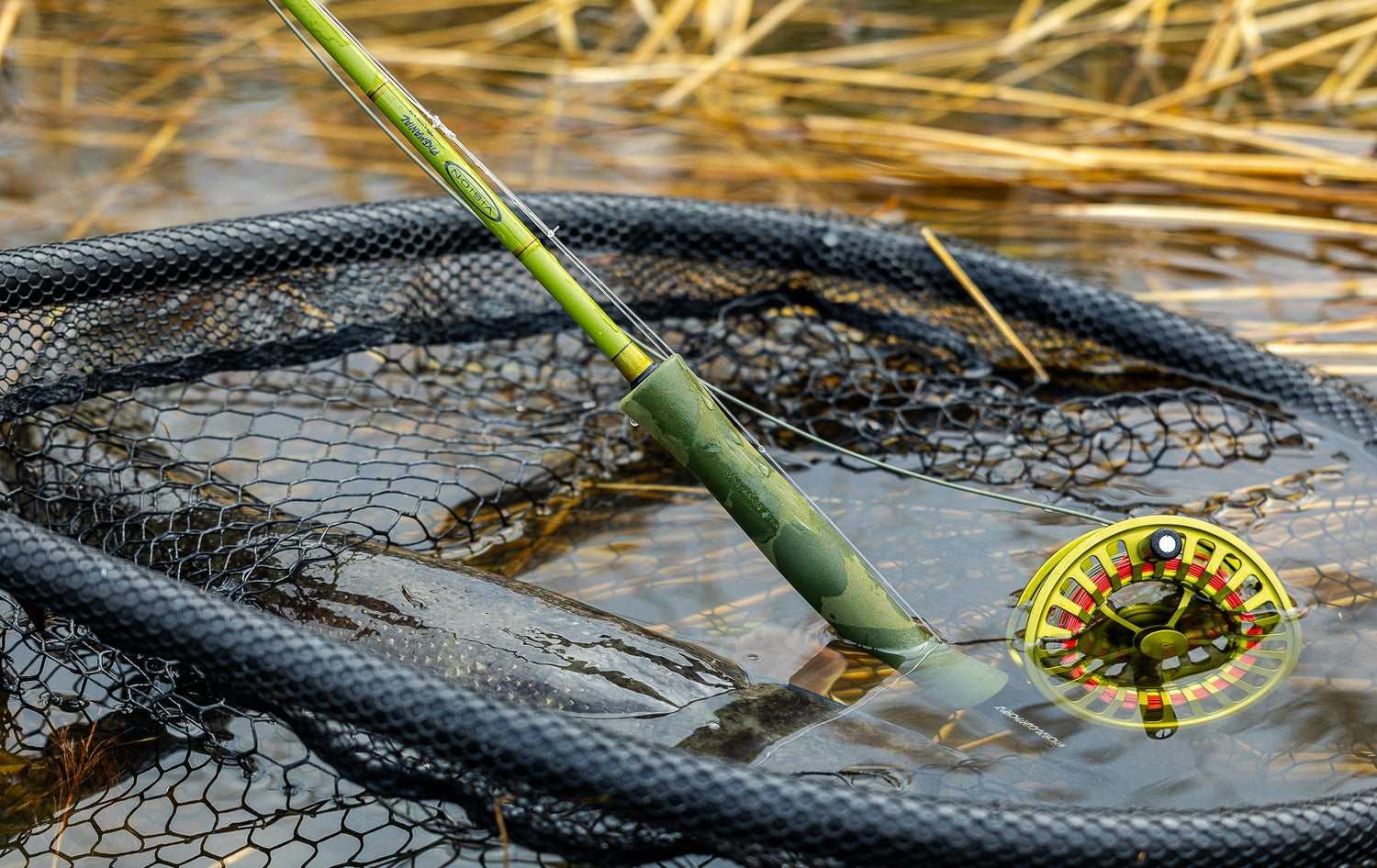
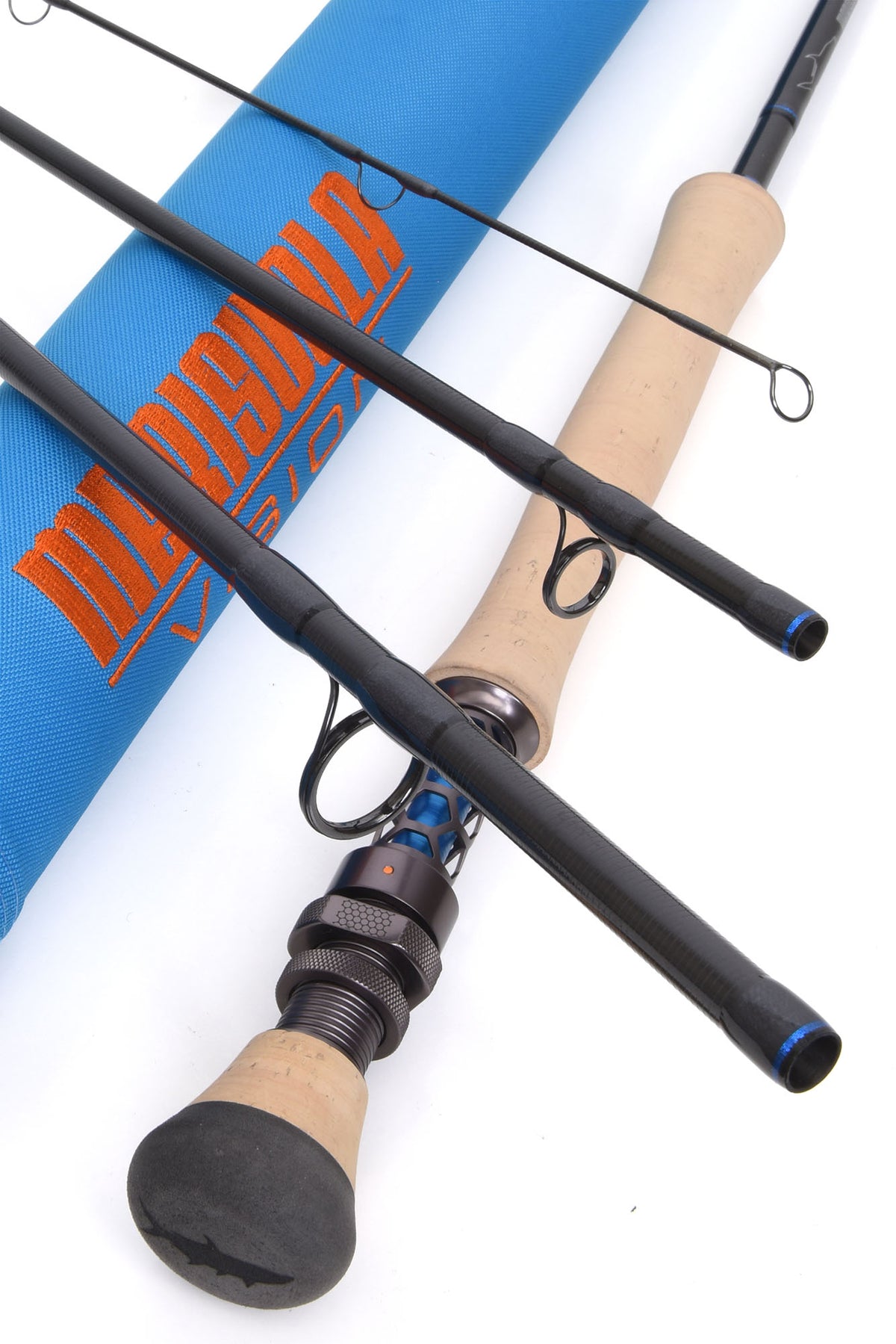
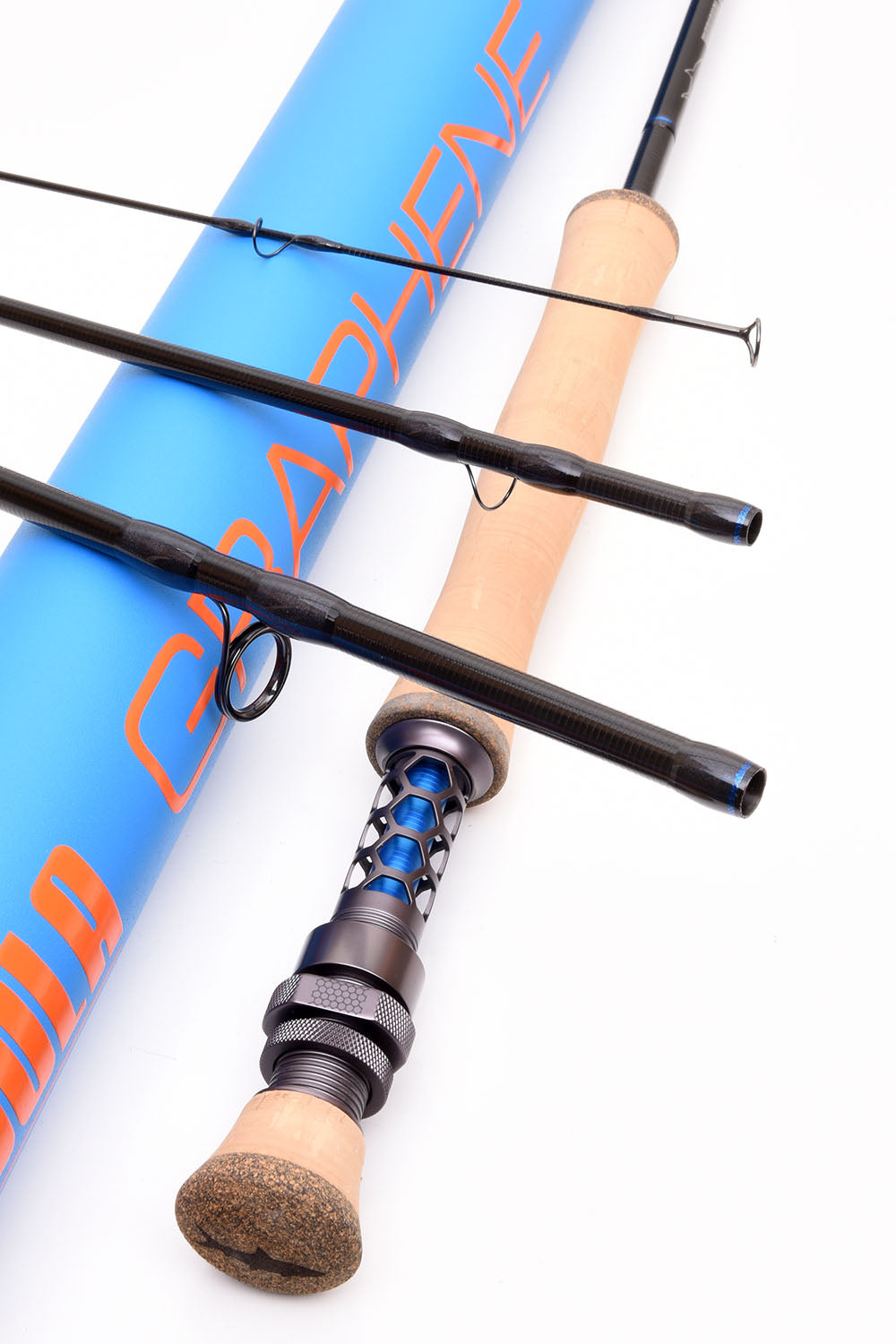
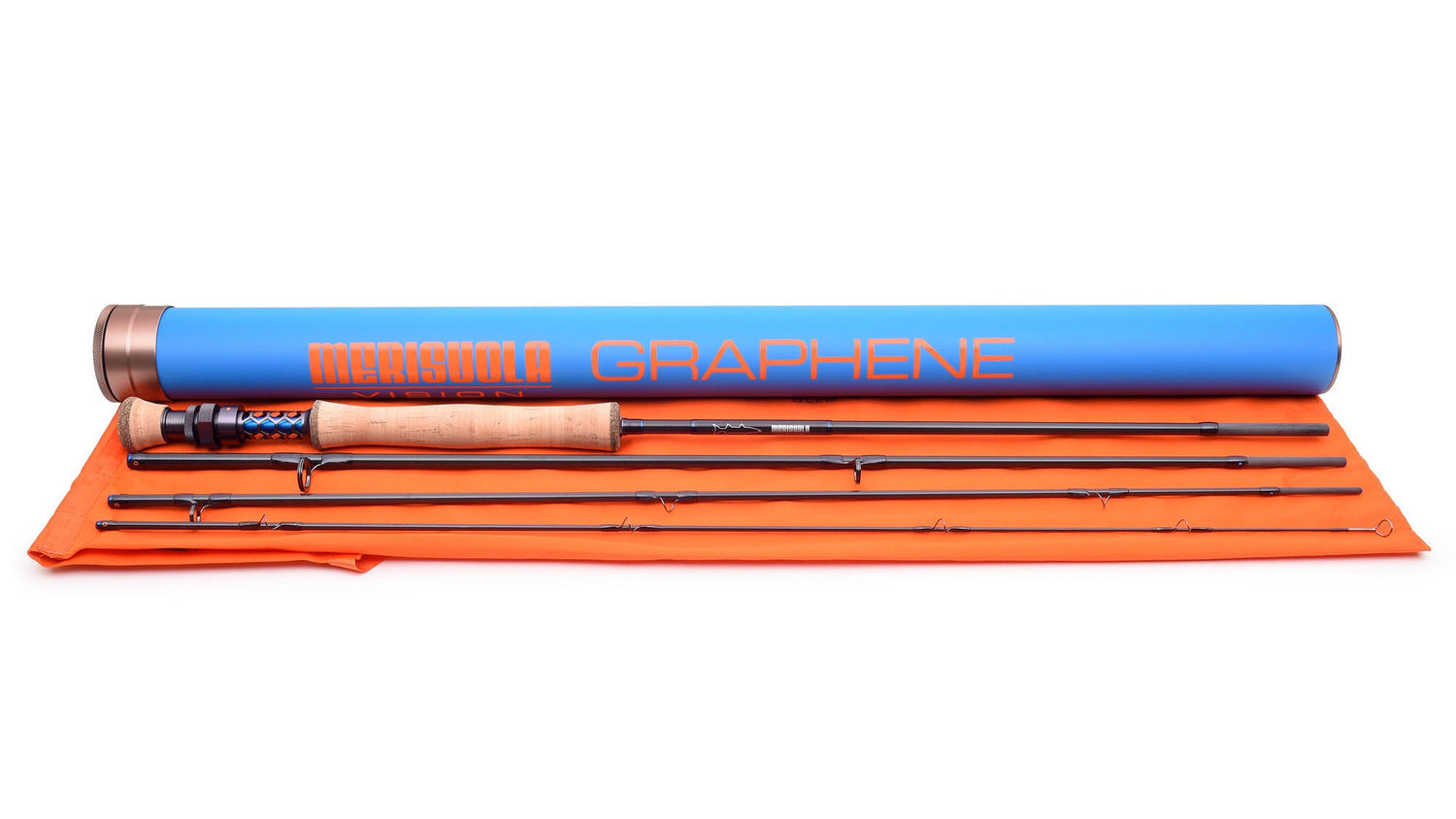
A sea trout in the net after a beautiful fight on a 6-weight rod, the Merisuola Graphene.
Fishing in northern fjords adds another dimension. Tidal differences create strong currents that move both food and fish. Headlands and areas where currents meet often act as natural feeding lanes.
Wind also plays a role. While onshore wind is often considered ideal, early in the season in the north the opposite can be true. Offshore winds can improve conditions along the shore and most importantly, they create the calm surface that makes rising fish visible.
An Arctic Surprise
Sea trout may often take center stage, but along the northern coast there is another species that feels almost unreal to encounter in saltwater, the sea-run arctic char.
One day, the fjord was completely flat. Suddenly, a group of fish appeared, moving quickly along the shoreline while rising calmly as they approached. I positioned myself and made a long cast toward the drop-off, placing the fly around ten meters ahead of the fish.
The take was immediate and powerful. A heavy fish from the very first second. But the real surprise came when it finally slid into the net. Not a sea trout, but a new personal best Arctic char. One of the highlights of the entire season.

PB sea-run Arctic char at 1.9 kg. A rising char and a fantastic fight.
There is something unique about the char. The colors, the movement, and the almost unreal feeling that it does not quite belong in the fjord. As if it should be in a clear mountain lake far inland.
Keeping It Simple
In calm conditions, I tend to keep my fly selection simple and small. Patterns like hover shrimp, CDC shrimp and small scuds in sizes 8 to 12 are often all that is needed. Sea trout are highly efficient predators and they rarely require large flies.

My favorite fly for this year’s fishing, a “Spey Vaskebjørn” tied on a size 8 hook. A versatile fly that works for pretty much everything.
A Final Thought
Sea trout fishing in Norway is, in many ways, open and accessible. That also means the responsibility lies with us as anglers. Large fish are vital to the population and handling them with care is essential.
For me, this form of fishing is not just about catching fish. It is about the moments. A single rise, a single opportunity and the feeling when it all comes together in a strike!
Hans-Henrik Grøn
You can follow Hans-Henrik on the following social media channels: Instagram: @mr.green_fishing YouTube: @hansihenrik