Text: Jari Koski
Photos: Jari Koski
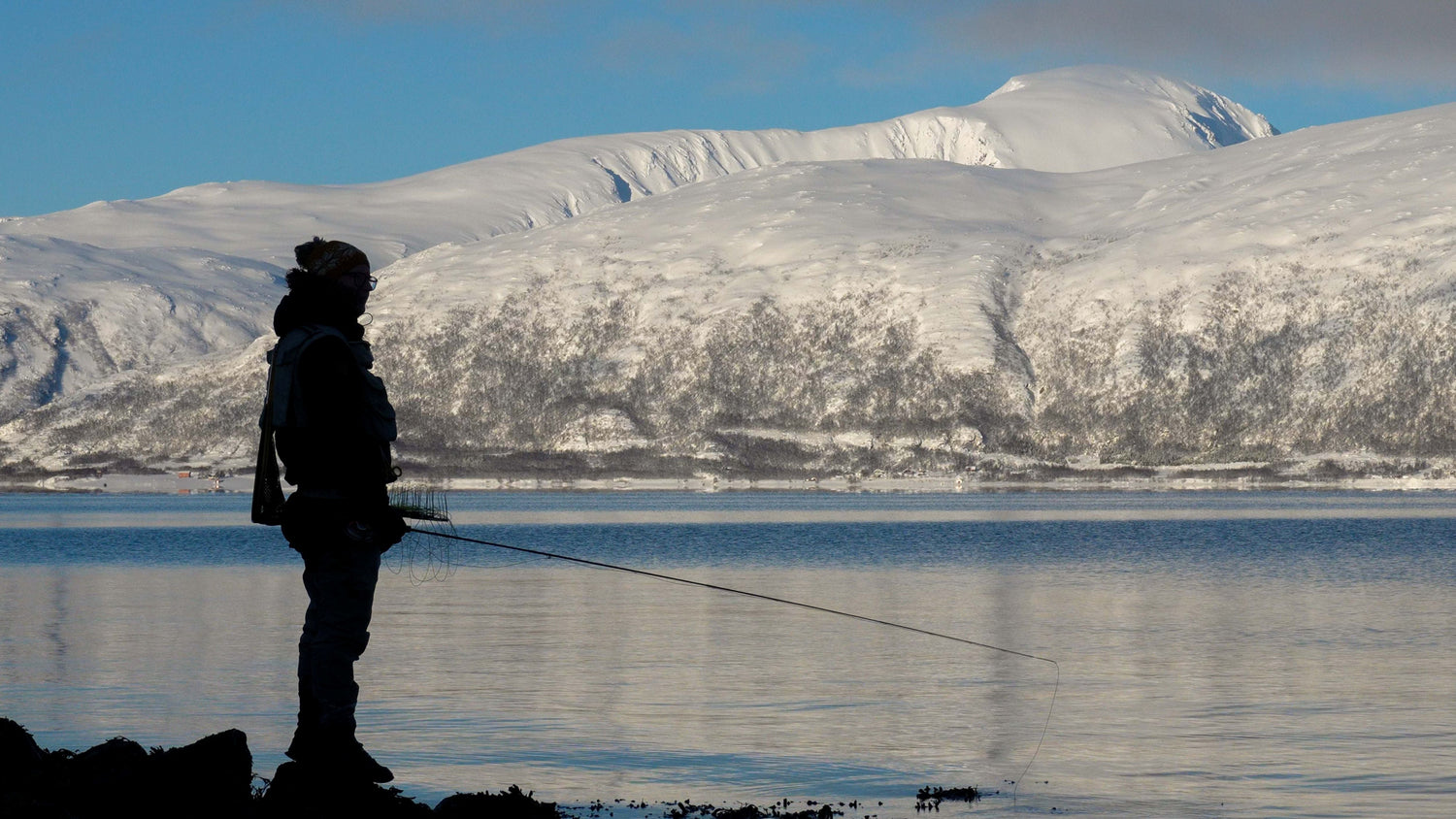
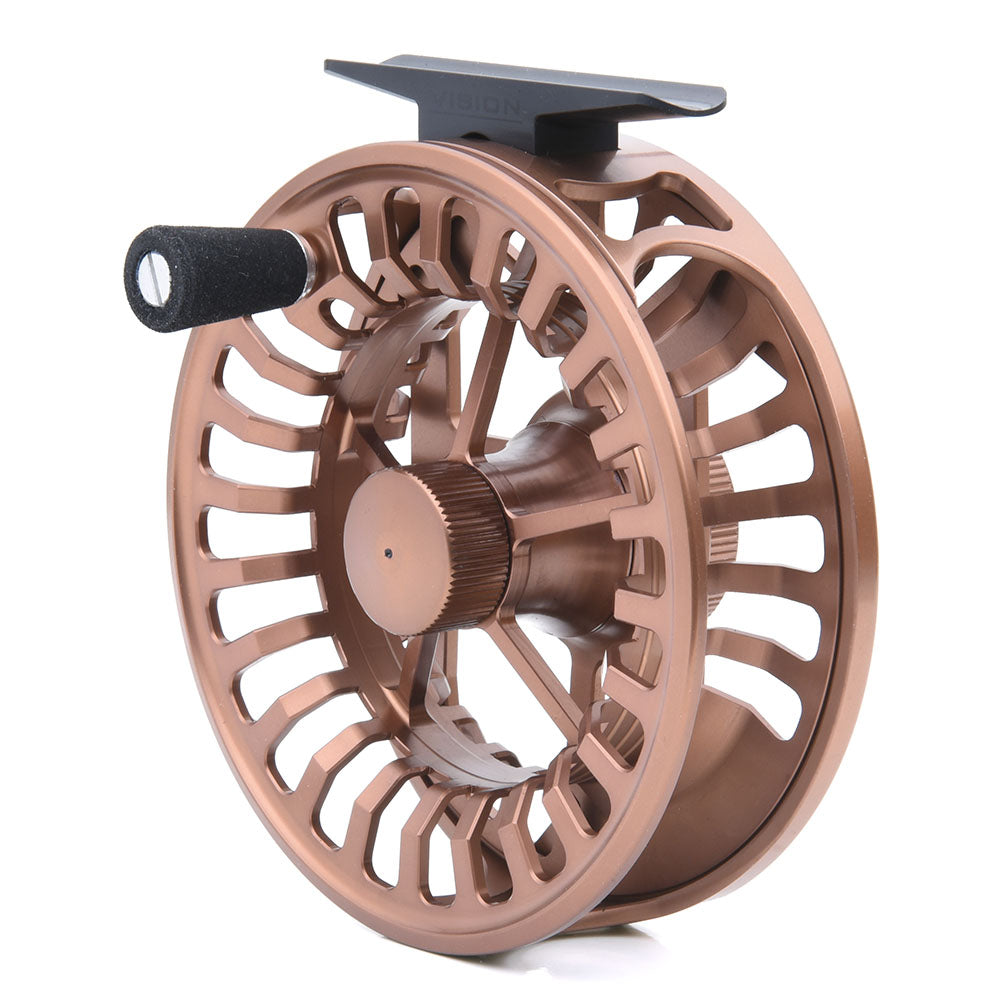
The view from my workroom window here in Tampere, Finland, is stunning. The sun is shining and making all the snow in the trees glisten like a thousand diamonds. It's cold. Like super cold, and there's a meter of ice on the lakes and the Baltic Sea. I just finished cleaning my fly lines and repairing my belly boat. I'm browsing the Vision Fly Fishing website as I need to buy a new 9wt. There are pike flies all over my desk and cupboard. It's safe to say that springtime pike fever is here!
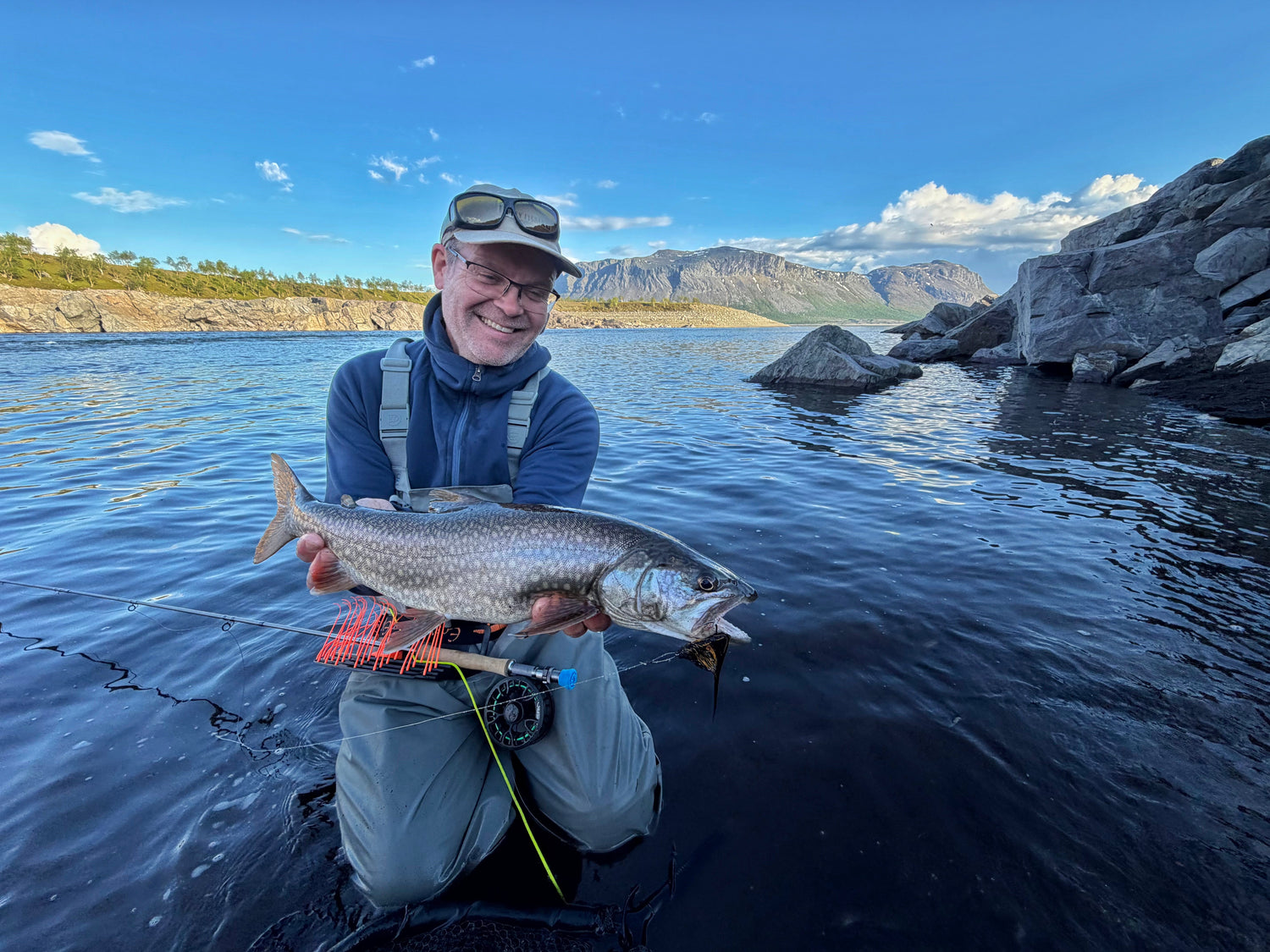
I do 99.3% of my springtime pike fishing from a belly boat and on the Baltic Sea. The western archipelago of Finland offers endless possibilities and stunning fly water for the belly boat angler. The sun is bright, the days are long, and the fishing is a bit unpredictable. Ice and ice-cold water bring a kind of extreme aspect to the fishing.

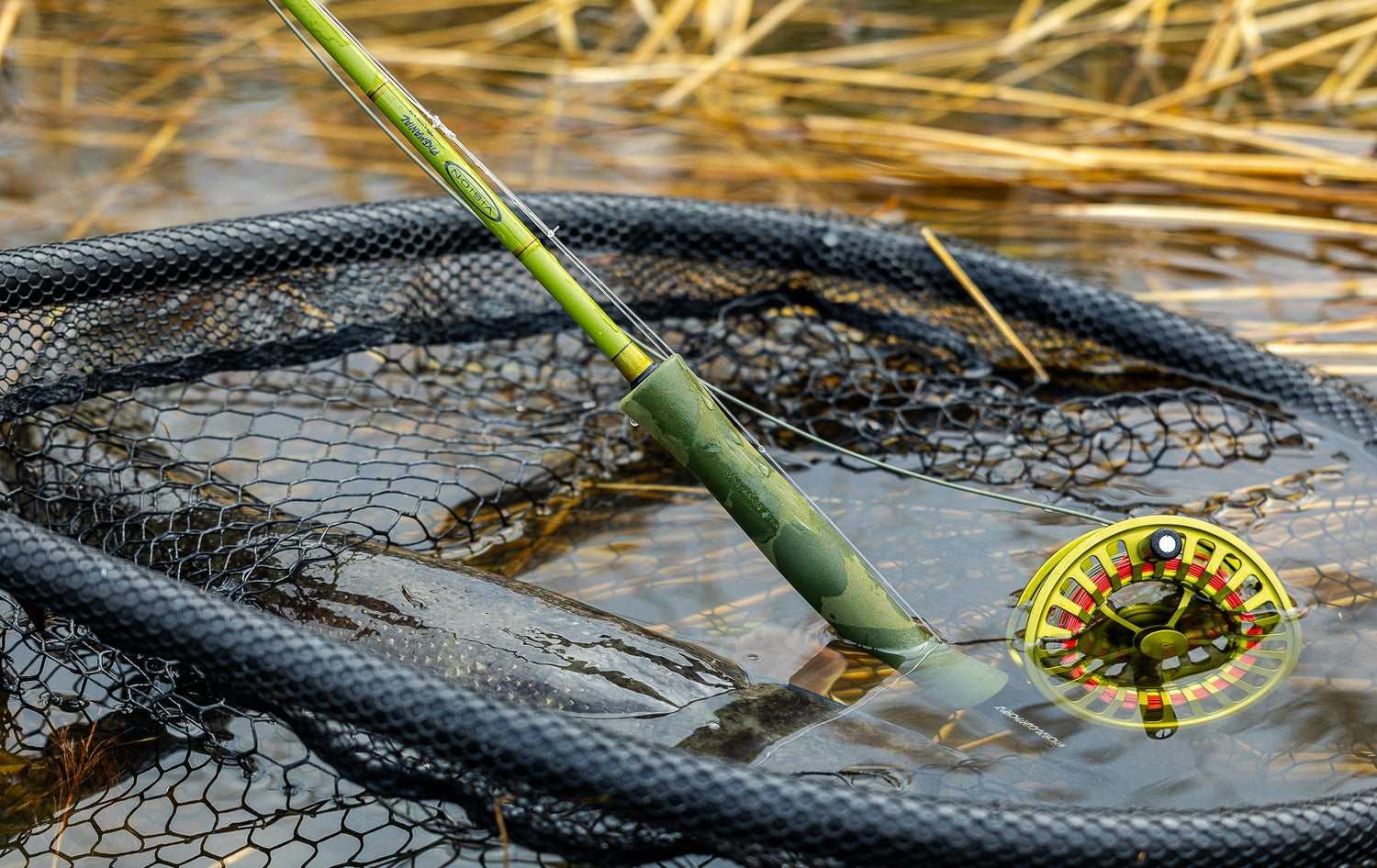
The first part of the spring season is all about the weather and ice. The fishing is mostly dictated by the conditions and less by what you do, as there are limited areas where you can fish. If the ice opens up early enough, you should focus your fishing on the deeper outside portions of the pike spawning bays. So-called "wind reeds" with steeper drop-offs and more center areas are good spots. Straits that have currents running through them are also excellent choices, especially if they have a sweet reed bank on the side. This is the time when, if you find the right spot, you can catch astonishing numbers of fish. The fish are concentrated in very local areas outside their spawning grounds and are feeding hard to prepare their bodies for the upcoming spawning process. This is the time of the year that you catch the fattest mamas!

A great way to fish this time of the year is to use a sinking line and a big, slow-sinking fly. Cast your fly into the shallower part of the water you are fishing and retrieve your fly into the deeper part. Using a sinking line and a slow-sinking fly makes this possible. Fish extremely slowly and make long stops. On your other rod, you should carry a floater or a slomo to occasionally fish along and over the broken reed line, or "stumps" as we call them over here in Finland. Be bold and try out different fishing depths. Finding the right depth is crucial this time of the year. Start deeper and then work your way closer to the stumps if you can't find the fish earlier on.
Talking about flies, I love to use big bulkhead patterns and Beast flies this time of the year. They move a lot of water and swim very seductively when fished slowly. I've also had great success with long, slim dragon tail flies, so go figure... I guess the main thing is to go big/long, as the fish can be a bit lazy to move on something small in the frigid water.


As said before, this is a kind of extreme time to fish. Even with modern satellite technology, you sometimes get very unlucky and drive over two hours just to find out that all the good spots are actually still partly frozen. If you see a black Honda on the side of the road yelling Finnish profanities this time of the year, it's probably me! This can also sometimes be a blessing in disguise, as it can force you to try out new spots that are actually open. One particular spot found this way is still one of my favorite early spring spots and has produced a few epic days on the water. A few years back, on that spot I managed to catch 12 fish over 7 kg, with a top five that were all over 9 kilos! It doesn't get better than that.

As all the ice clears up and the days get warmer, it's time to go shallow. When you can see the odd fish getting ready to spawn in the shallows, you should head deeper into the spawning bays. This is the time when you are trying to catch fish that are entering the area. They might be doing their last feeding spree pre-spawn or just cruising the area, choosing the right time to go inside the reed banks. Sometimes you also stumble upon fish that have already started their spawning process but, for some reason, decide to head out again and feed.

As this is mostly shallow water fishing, a floating line is a great option. In my opinion, you can mostly ditch the sinking lines and choose a slomo or an intermediate line for your second rod.
Even though at this time of the spring season, you can fish everywhere and you won't be restricted by ice or other weather-related issues, the actual fishing part can be very tricky. The fish can be a bit fussy about the flies and presentation. Sometimes the takes are so gentle that you have to guess whether it was a fish or not... They can also be completely lockjawed and refuse to take anything. Be sure to have good food with you and a few cold beers in the fridge back home to soothe your nerves if the fish decide to act like a-holes.

Some years, if the spawn starts fast, this can be a very rewarding but short period of good fishing. In other years when the spawning process just slowly, very slowly progresses, this can really test your nerves. The active fish can be so spread out that you need a healthy portion of luck to make things happen.
You should also keep in mind that when the spawn starts proper, there's no point in fishing anymore. Take a break, change to other species, and let the queens of the water rest a bit. They will be waiting there after the spawn, but that's another story for another time.
All this talk about pike fishing is making me crazy, so I should probably stop now. I still have some flies to tie and gear to prep. See you on the water!
P.S.. You should always check your local restrictions on spring fishing for pike. Over here in Finland, the restrictions are limited to small localized areas, but I know many other places have stricter broad-scale restrictions.
P.S.S... You'll find me on Instagram @tjabster and if you were hungry to see my bucktail based fly tying videos, please check out https://www.youtube.com/@Tajapi