Text: Petteri Lax, Photos: Petteri Lax and Jari Oksanen from Kalatarinoita Suomi
The name of the game of Baltic Salmon fishing is "Tug is the Drug".
As spring arrives in the Baltic sea region, the salmon begin their journey from the sea back toward the rivers where they were born. They are driven by the instinct to reproduce in their native waters. Out at the sea, salmon feed heavily on Baltic herring, building up strength for the demanding migration ahead, because once they enter the river, they stop feeding.
An individual salmon may travel hundreds of kilometers upstream to reach a familiar spawning ground in the autumn. In early summer, the water is often cold and the currents strong, making the journey extremely exhausting.
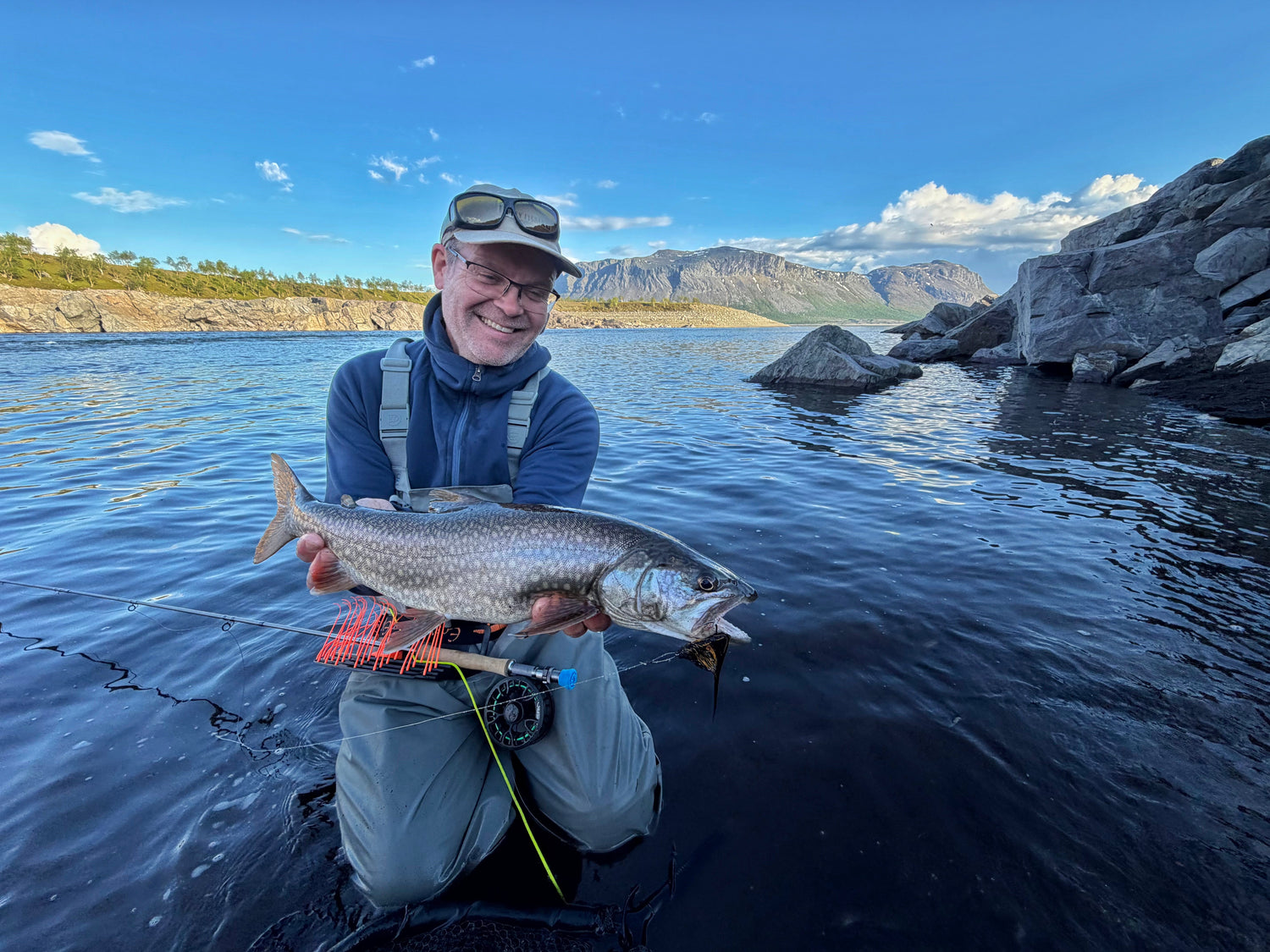
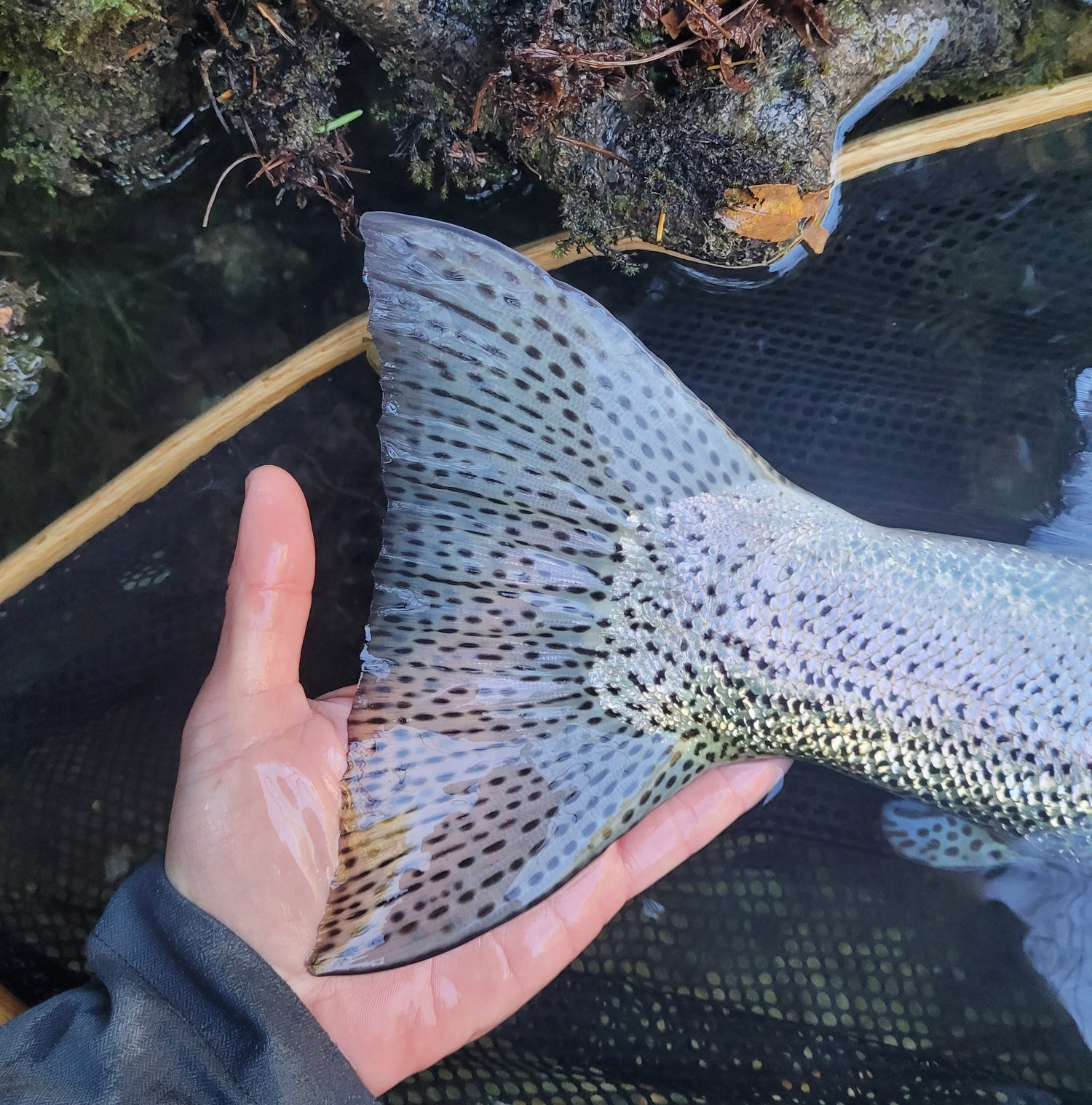
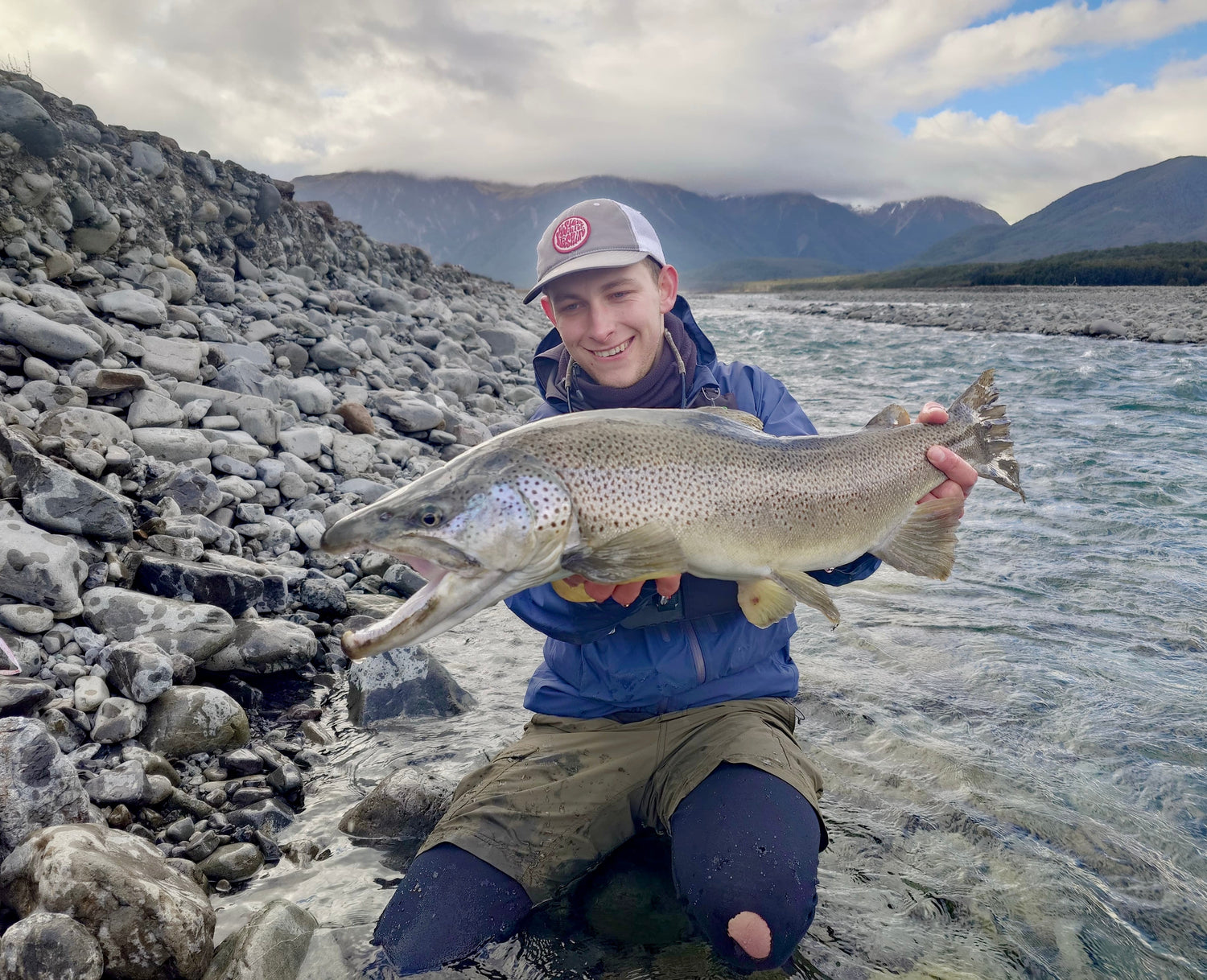
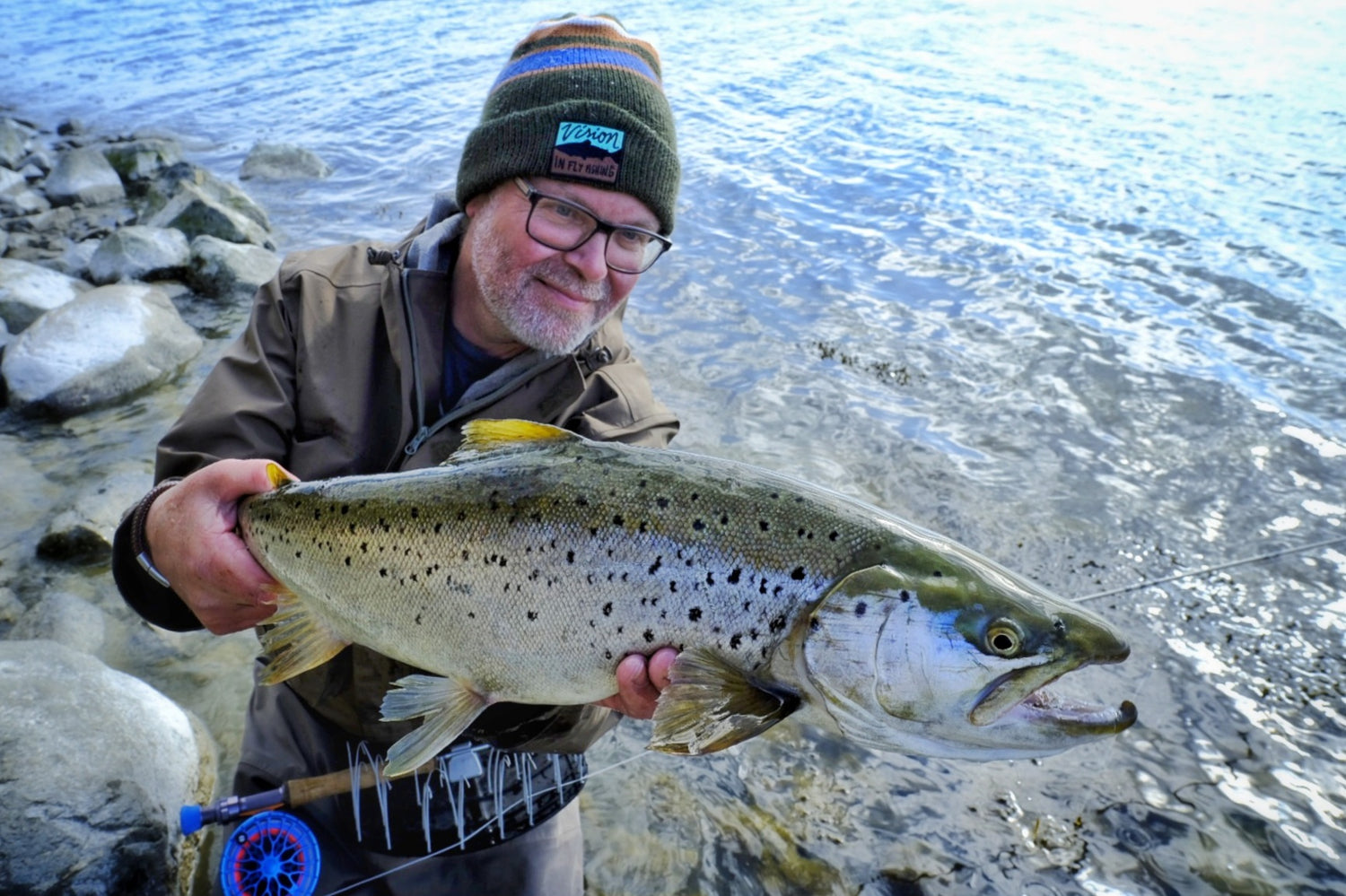
When salmon first enter the river, they are truly magnificent. The fish are in peak condition, and their mirror-bright sides shine so clearly you can almost see your own face as a reflection. But if salmon no longer feed in the river, why do they take a fly? There are many theories, but we believe that a tired and “irritated” fish will strike at certain triggers when presented in just the right way.
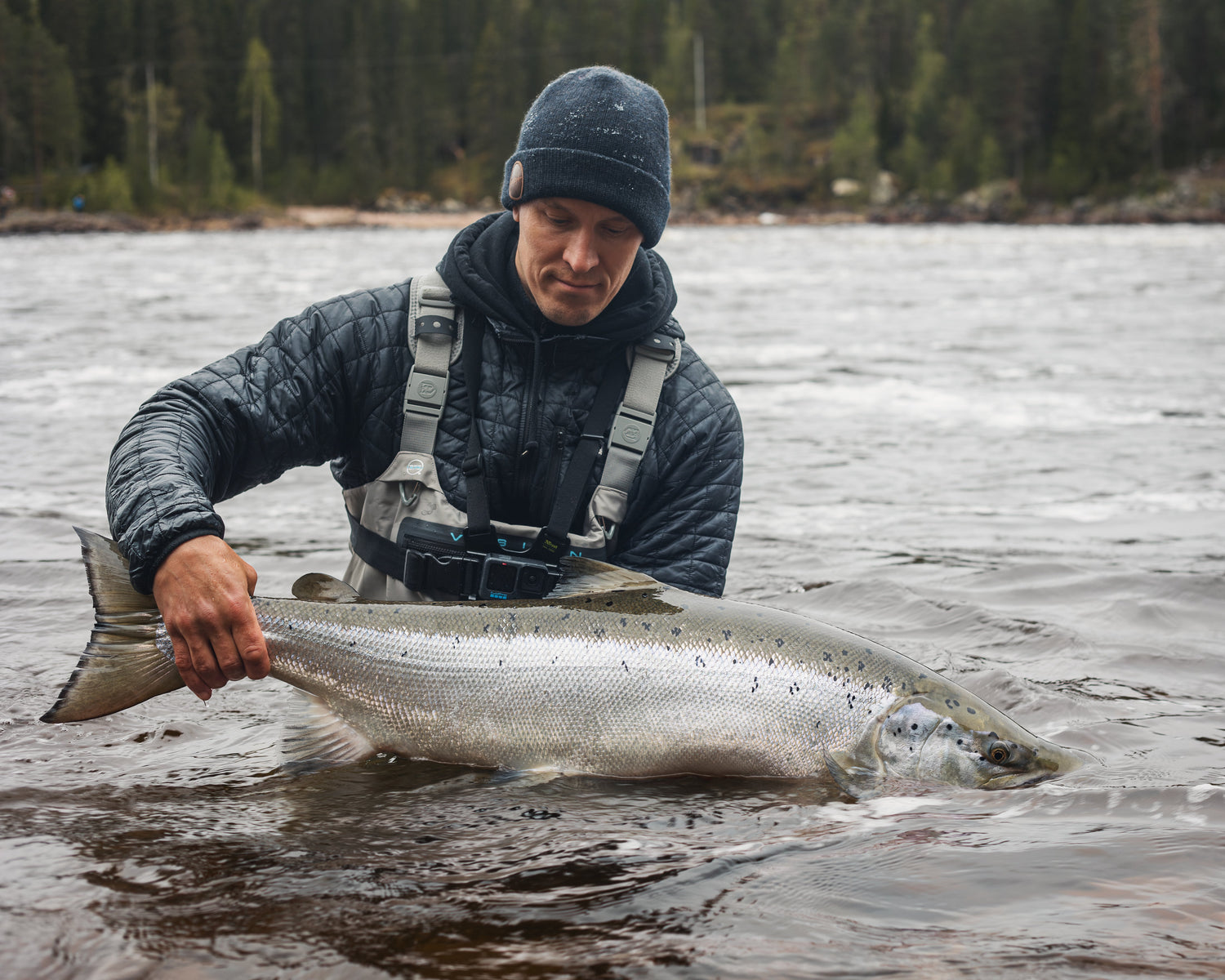
Baltic salmon are often large, incredibly powerful fish, and once they gain momentum in the fight, they rarely stop. My own first encounter with a salmon left me with a burned thumb and a straightened hook. That “first bite,” fifteen years ago, completely hooked me — and I’ve been on the same path ever since.
What fascinates us most about Baltic salmon is the raw power of this mysterious fish and the challenge involved in pursuing it. Everyone of us want to feel "the tug".

The phases of Baltic Salmon seasons
Spring (May-beginning of June)
The first salmon usually enter the river in May. In Finland and Sweden we call them "Majlaks" considered the ultimate price in Baltic salmon fishing like the Springers in Atlantic side. The fish are still relatively low in numbers at that time, but they are often the very largest ones. The water is cold and the currents are strong, which makes it possible to land even these giant monsters.
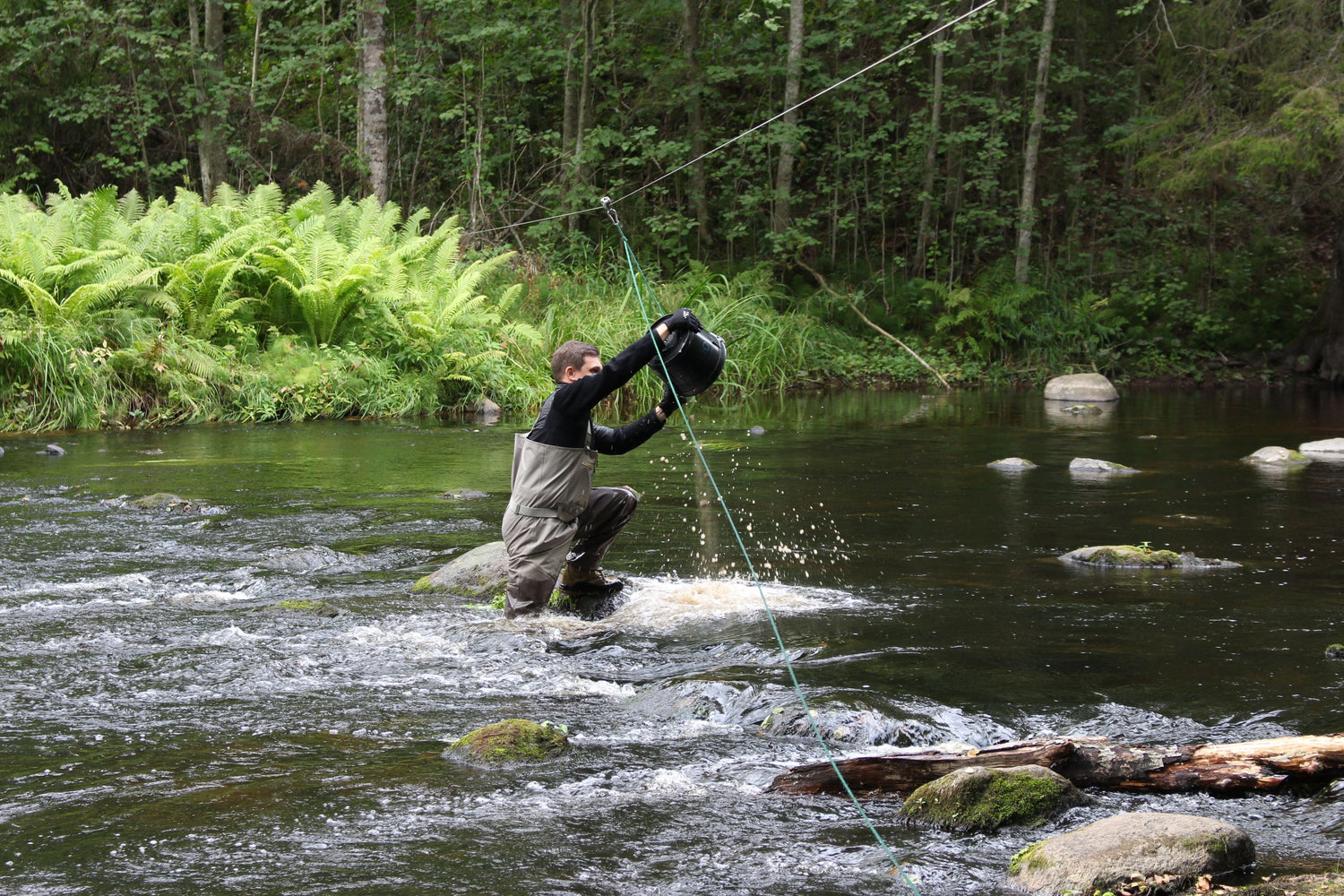
Salmon travel along the easiest routes upstream, usually close to the river bank. it is good to focus your fishing on spots where the fish passes more narrow sections of the river in order to cover bigger percent of the area with your casts and by that increasing the chances to get your fly in front of the salmon. Prime locations include the edges of the main current and the holding pockets beside heavy rapids. The neck pools of large rapids are also excellent spots, as salmon often pause there to rest for a while.
In cold water, salmon usually swim close to the bottom, so your fly fishes best there as well. Water levels are often still high in early season, so it is a good idea to carry a solid selection of sinking lines and a few grain-line setups in your pack. First, find the bottom so you can better understand the pool, then lighten up by one or two steps from there.
On large rivers in the early season, big flies work best. In cold water, we use tube flies around 15 centimeters long on rivers such as the Tornio River and Kalix River. For some reason, slightly smaller flies tend to work better on the Byske River. As the water level drops and temperatures rise, the flies are gradually downsized.
Our favorite early-season patterns are black & orange flies and the classic Pahtakorva.
Mid season (June-July)
By August, only a small number of new salmon are still entering the rivers. Most fish have already moved upstream, so fishing should focus more on the upper sections of the river. Spawning season is approaching, and the salmon begin settling closer to their spawning grounds.
Fish that entered the river earlier in the summer have now developed their darker spawning colors. Territorial salmon guard their holding areas aggressively, driving smaller fish farther away. They also tend to reveal themselves more often on their territory, making them easier to locate.
By this stage, the salmon have gone a long time without feeding, and much of their greatest strength has faded. Productive fishing spots are often steady-flowing runs and the long glides at the head of rapids.
The fish are frequently aggressive and may strike a fly violently when it suddenly enters their territory. Compared to the tiny flies often used during midsummer, fly sizes can usually be increased slightly again in the late season.
However, it is still possible to catch bright, freshly arrived salmon right until the very end of the season, and every angler should consider whether to target these fresh silver fish rather than darker salmon already dressed in their spawning colors.
Our gear tips | Be prepared for big ones
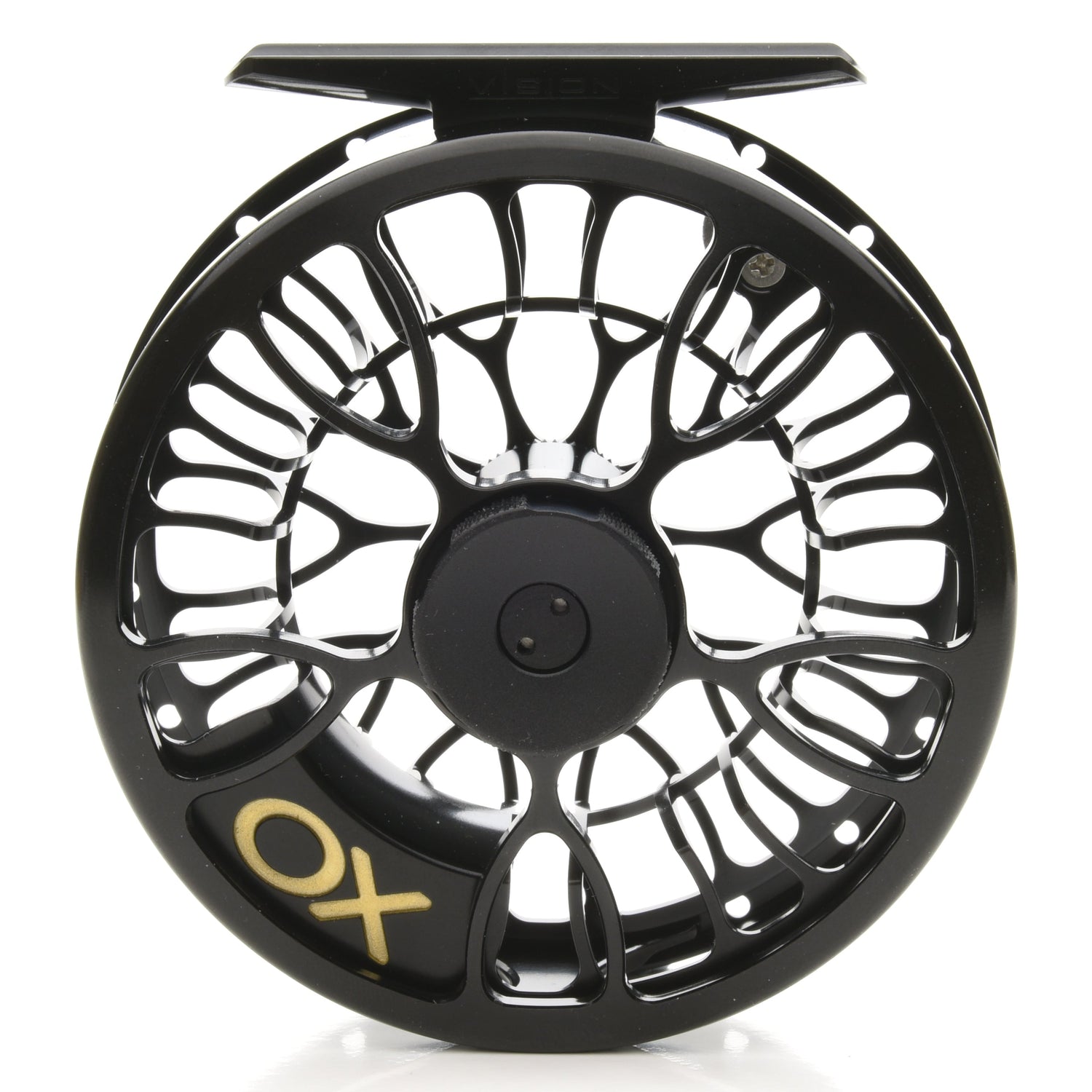
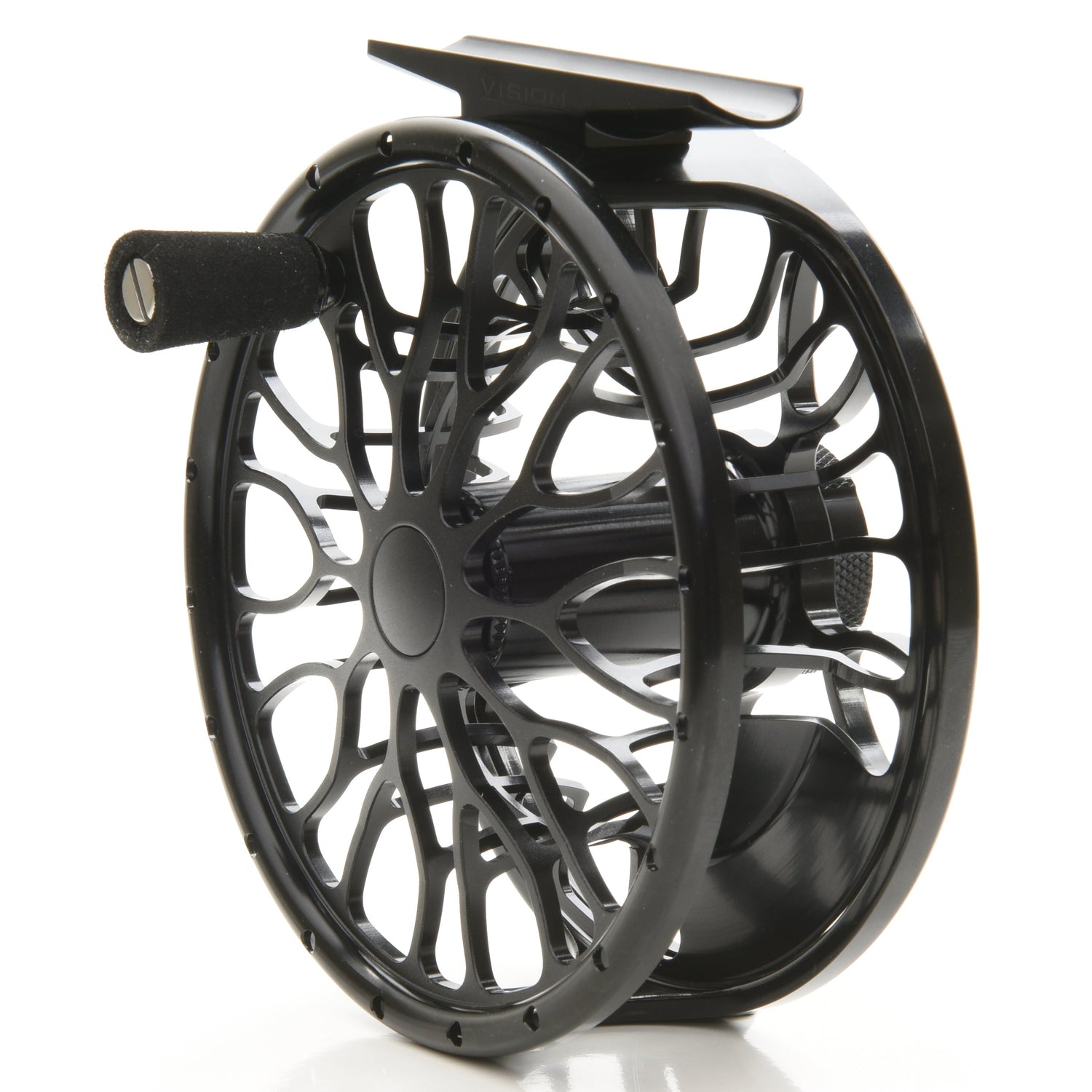
Baltic salmon fishing equals with BIG and STRONG. When targeting big salmon, your gear must be built for the job. The angler should stay in control of the situation — never let the fish decide where to go or what happens next. If you can keep the fish inside the pool, your chances of landing it improve significantly. Personally, I often keep the drag nearly locked from the start so I can immediately focus on holding the rod high with both hands.
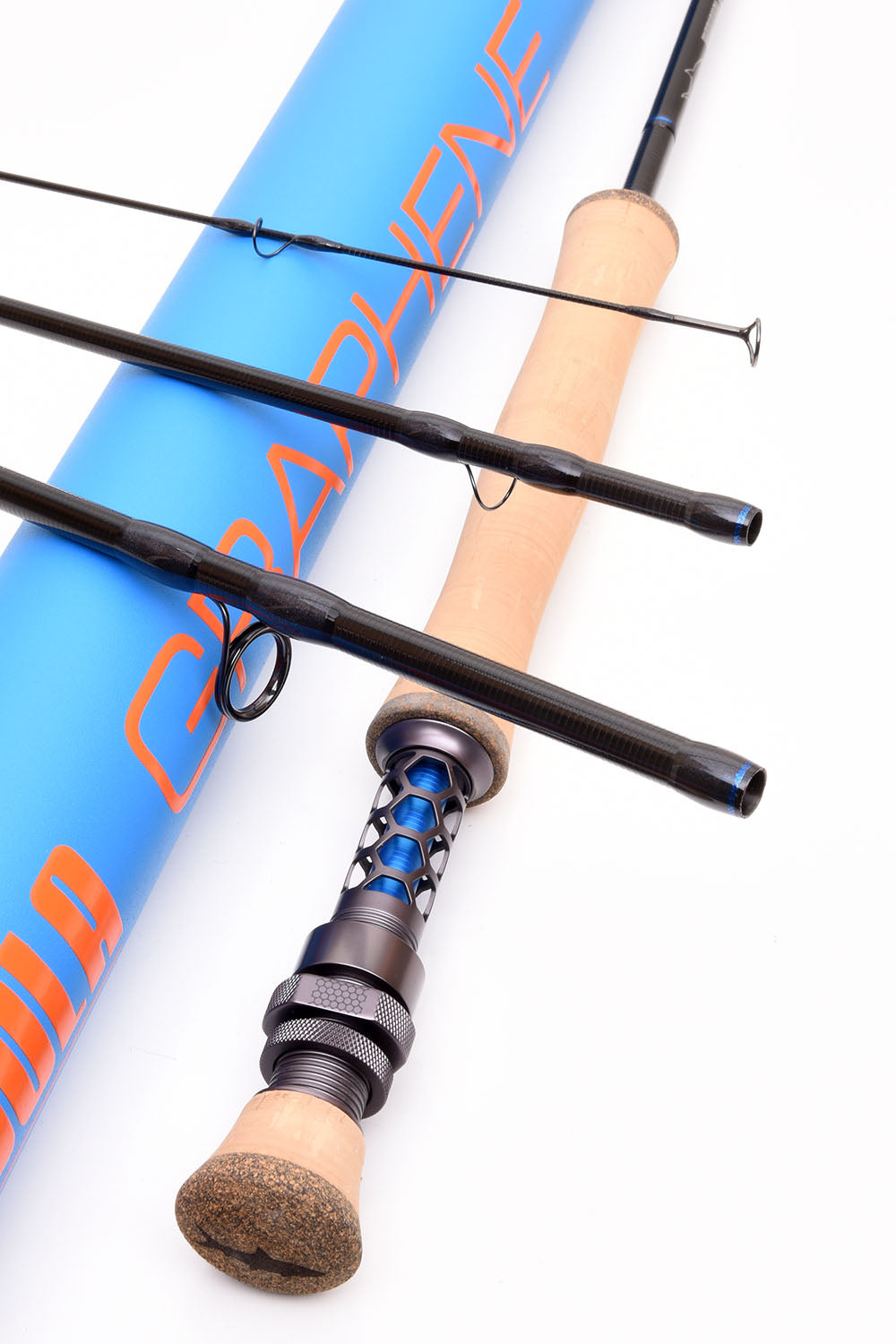
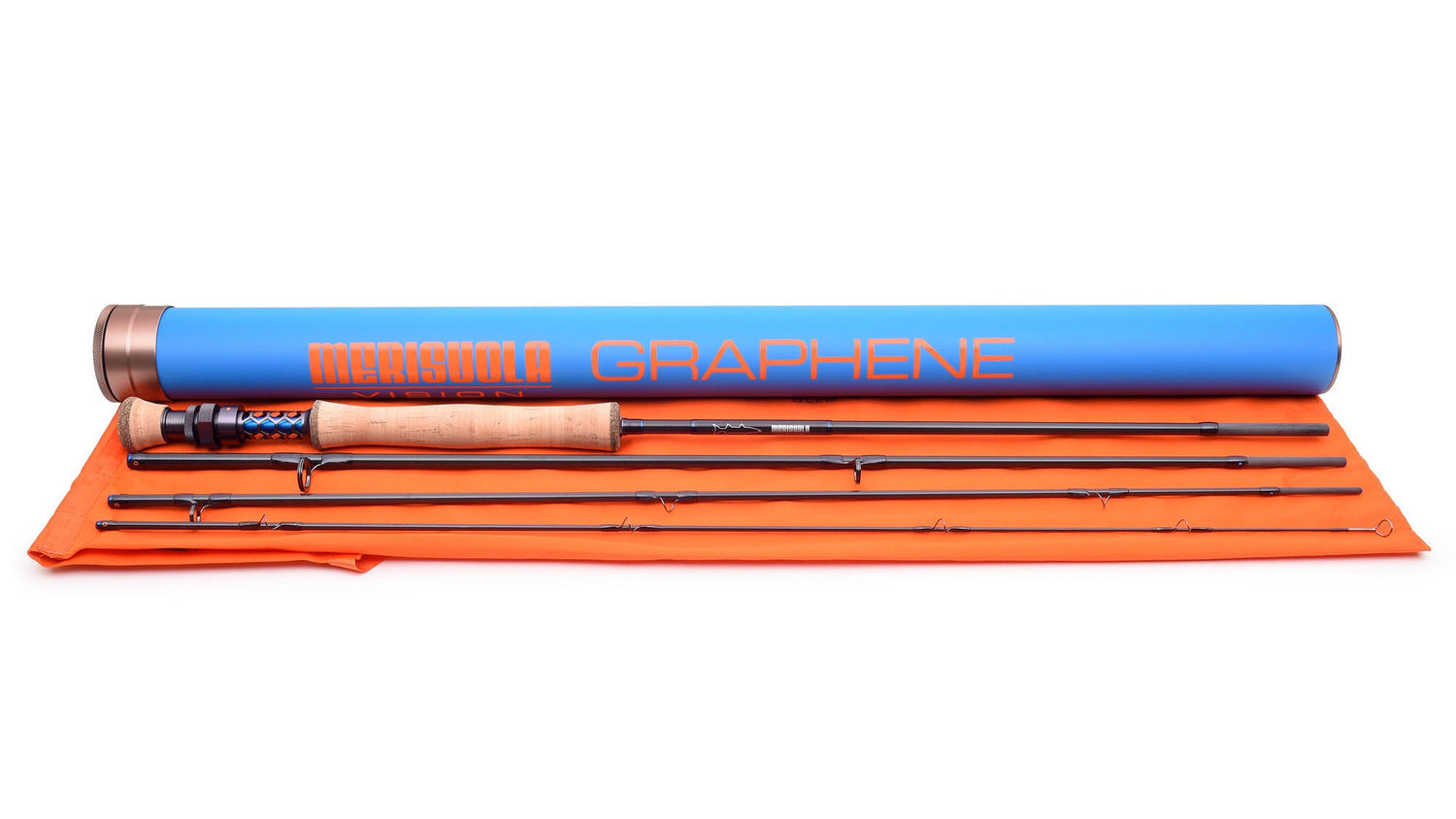
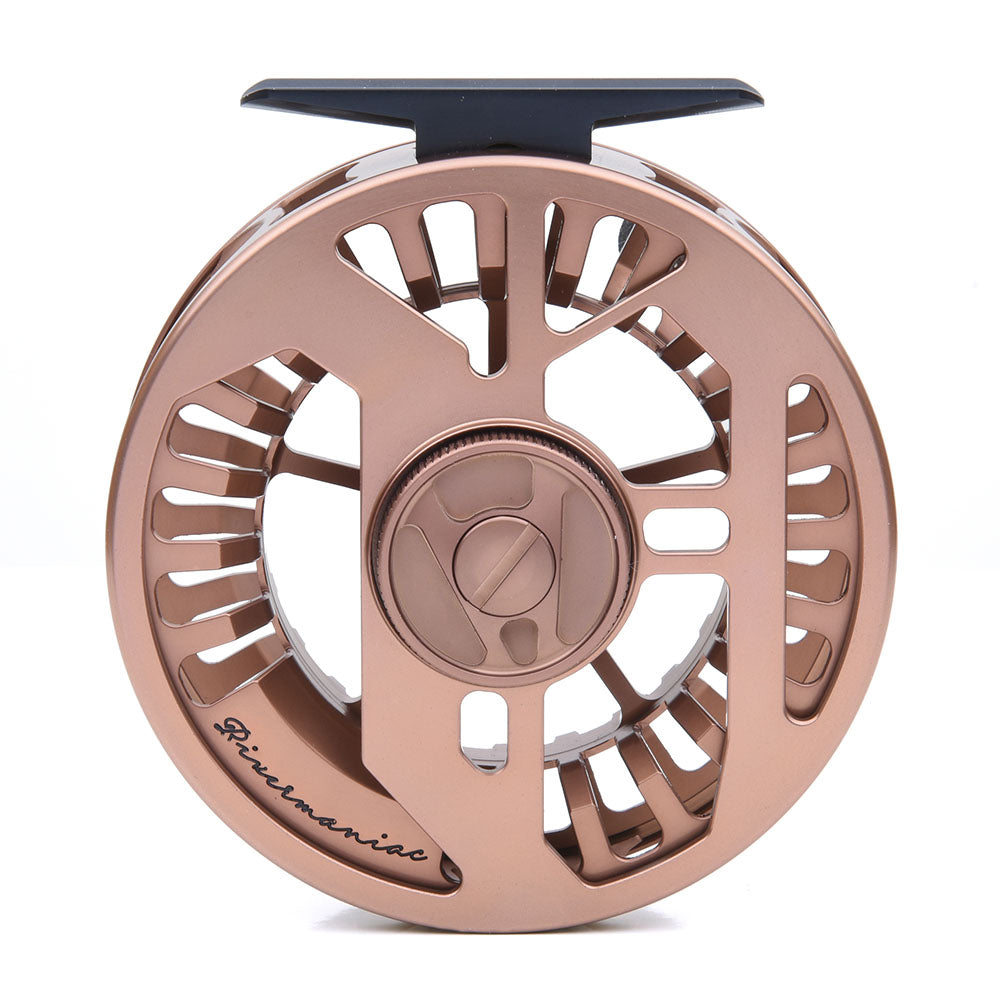
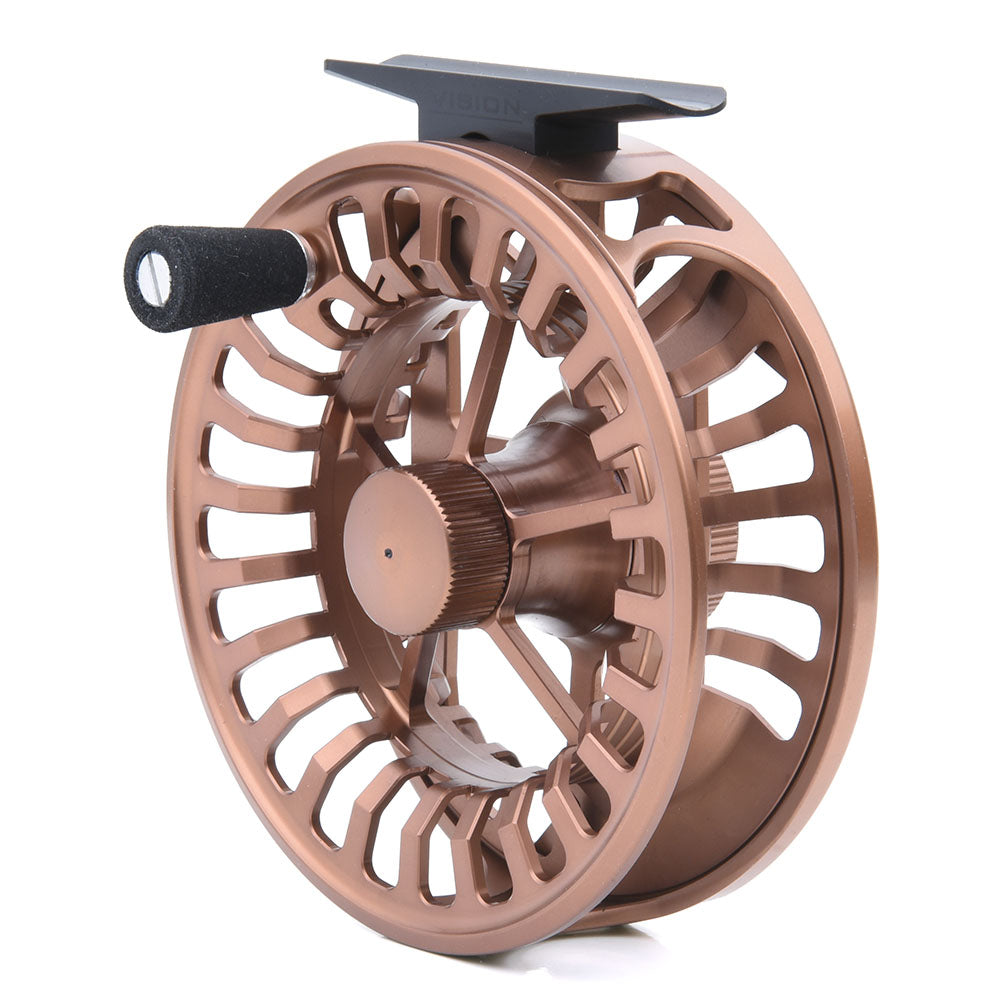
Use the heaviest tackle you can reasonably fish with, along with strong leaders and running lines. Our setup usually includes a .75 mm running line and a .60 mm tippet. When the lines are strong enough, you also need the biggest rod possible to absorb the pressure so the full force is not transferred directly to the angler.
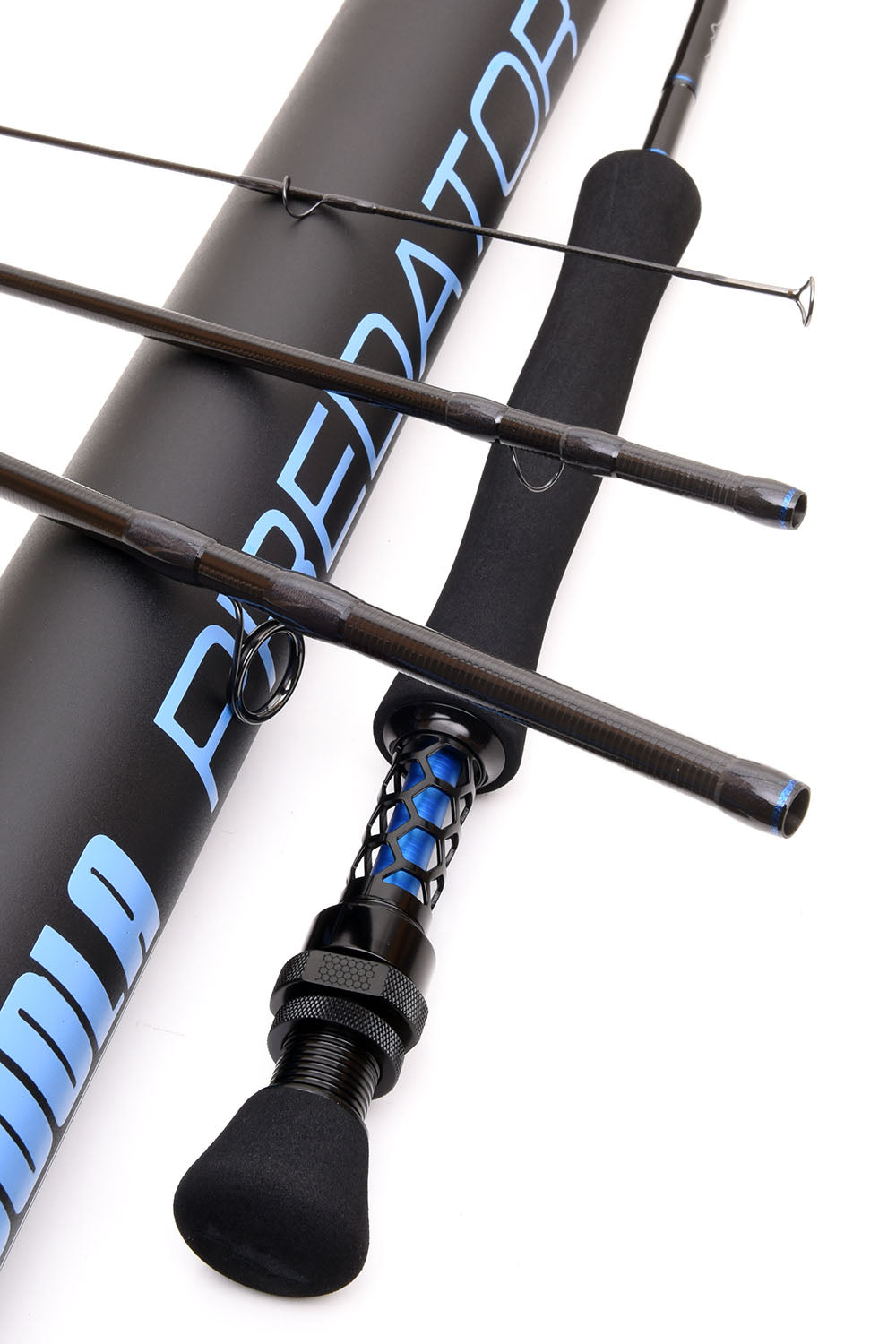
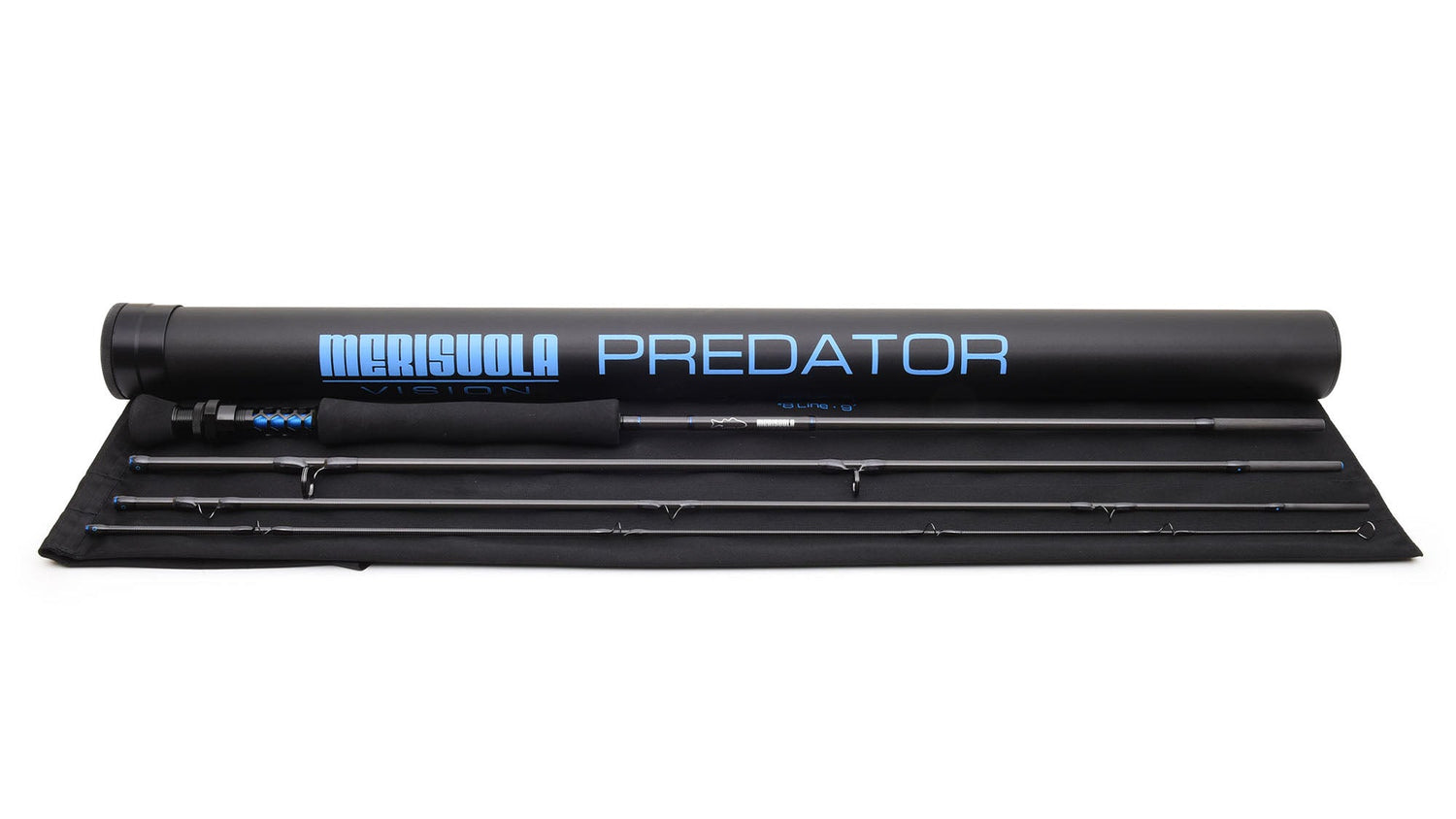
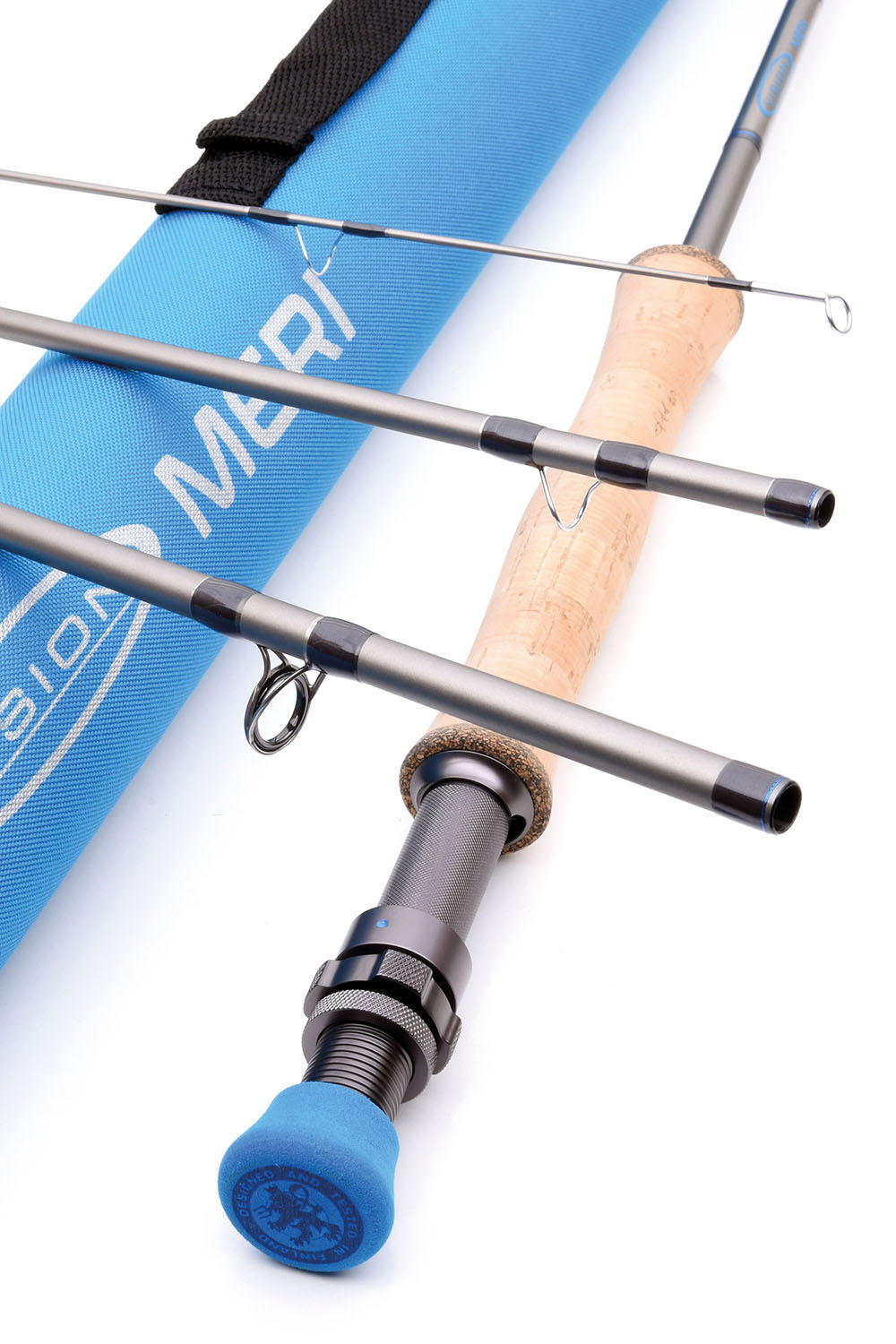
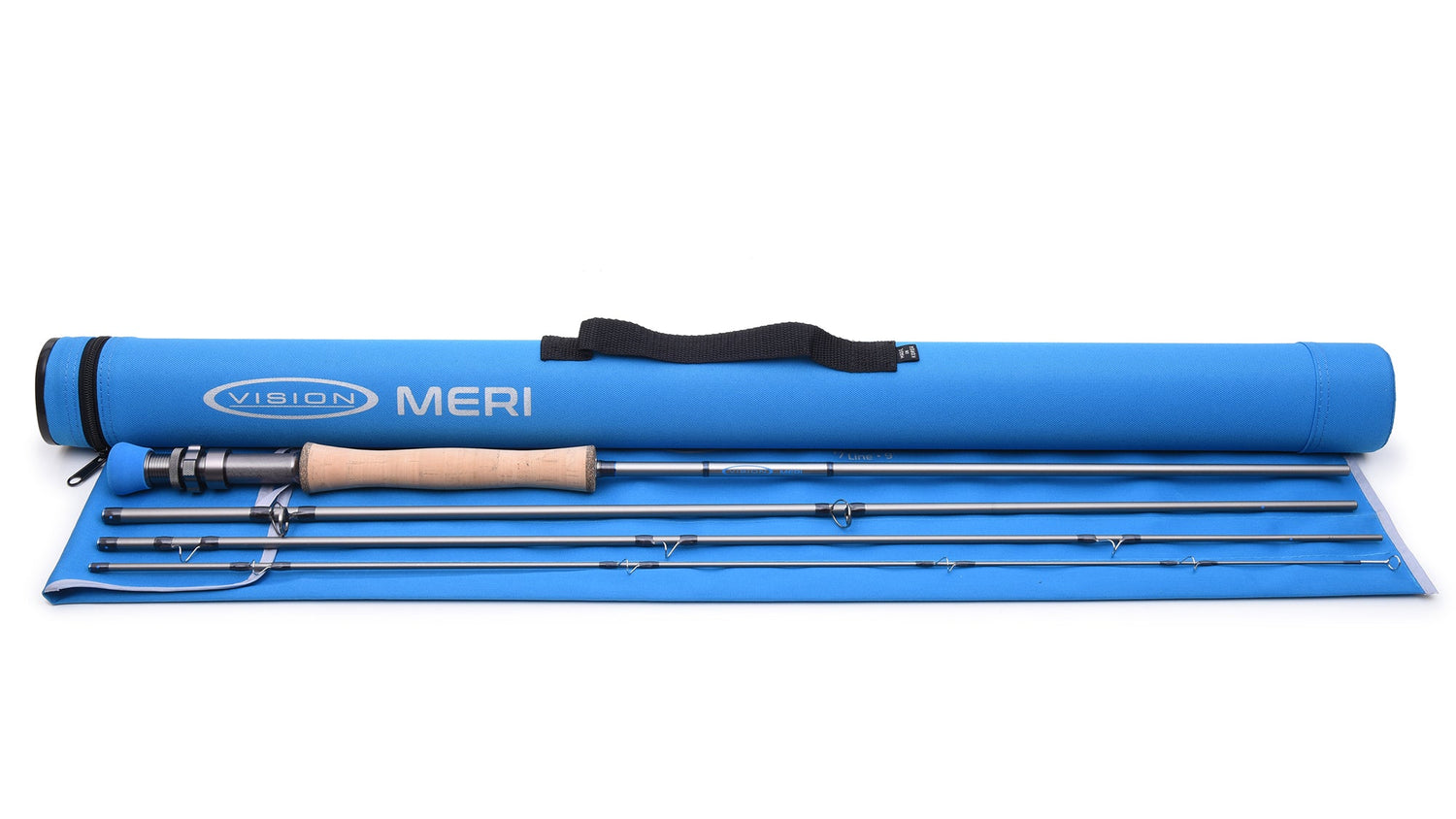
Quite simply, a 15-foot rod does not always have enough power to stop a truly big fish — something I learned personally when a 20-kilo salmon dragged me more than five meters along the riverbed (and I’m 186 cm tall and 90 kg ex-long jumper). Stay out of dangerous water whenever possible, and use a flotation vest if conditions require it. We personally use 16'6'' foot Raiwo Spey and XO rods.
The hook is also critically important. We almost exclusively use strong single hooks, which tolerate heavy pressure better than trebles. In our opinion, they also hold fish securely once hooked. We always attach the hook outside the tube fly with a loose loop knot, allowing the fly to move more naturally in the current.
The Mikado Drop Shot Hook is an excellent choice.

Other tips
We love to fish the most demanding stretches of river, where space is often limited and access behind the angler is difficult or impossible.
Our approach is to control the fish immediately after the strike so it cannot build up speed. When a salmon is stopped early, it is forced to fight against constant pressure rather than gaining momentum. It is surprising how effectively a large salmon can be held in place when you have right equipment and technique. Typically, the fish will try for 10–20 seconds to run downstream, but if it cannot do it, it quickly tires and can then be guided upstream under control.
Once you can move to a section with more space, you can ease the drag slightly and simply enjoy the fight. A fast, controlled fight also improves the fish’s chances of survival after release.
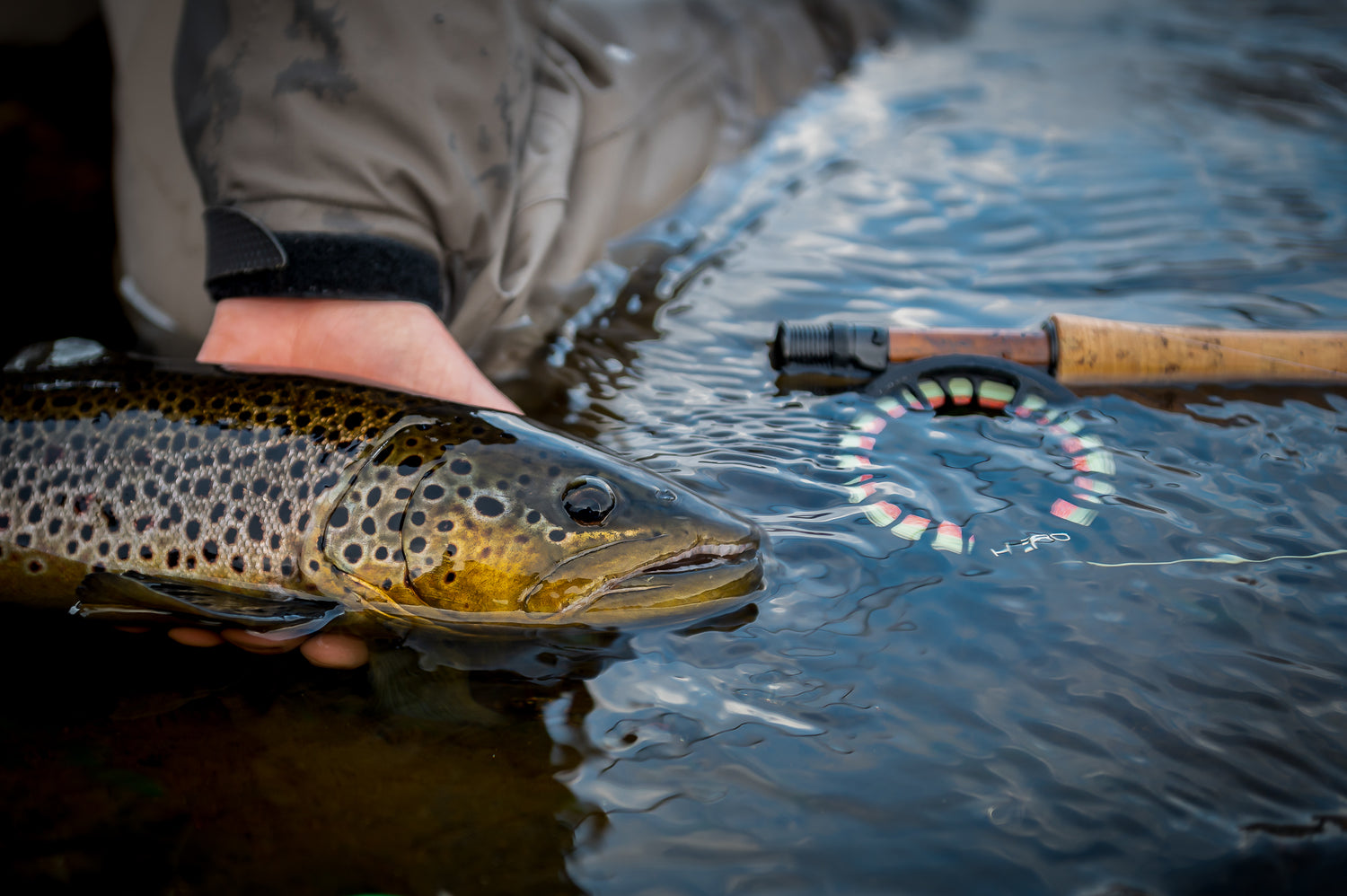
Always release large salmon — they are the most important individuals for the continuation of the species.
Last but not Least: a salmon is not taken; it is given. Sometimes you get one on the very first drift, sometimes you may go the entire summer without landing one. In any case, keep your spirits high, bring the right mindset to the river, and enjoy your time by the water no matter the conditions. A good attitude is still the most important tool for catching that dream salmon.
And always pay attention to water temperature. If the water temperature gets over 20 celcius degree, it is time to stop fishing and pay the well earned respect to the salmon runs if you were fishing catch & release.
Follow Kalatarinoita Suomi and their Baltic salmon chases at: https://www.instagram.com/kalatarinoitasuomi/
See Kalatarinoita adventures at: https://www.youtube.com/@kalatarinoita