Text & Photos: Emiliano Di Cicco | Vision Fly Fishing Pro Staff Canada
Steelhead fishing is often considered one of the toughest fisheries in the world. Some anglers refer to steelhead as “the fish of a thousand casts,” and that description is remarkably accurate. With steelhead numbers steadily declining across the Pacific Northwest over the last 30 years due to both natural and human-related factors, connecting with one of these ghosts has become increasingly difficult.
After spending most of their lives surviving in the vastness of the Pacific Ocean, our only opportunity to intercept them comes when they return to their natal rivers to spawn—and even then, it often feels like searching for a needle in a haystack. Countless variables must be considered: run timing, weather, sunlight (or lack thereof), water levels, temperature, and more troubling factors such as fishing pressure or river changes caused by floods.
Given such an unforgiving challenge, one would assume the best way to catch a steelhead is to learn from experienced anglers and optimize traditional techniques. After all, swinging classic wet flies—or, more recently, larger intruder-style patterns—has produced fish for decades. Adding further complexity to an already difficult pursuit may seem counterintuitive.
And yet, the possibility of improving your odds under certain conditions, combined with the allure of hooking one of these elusive fish on a dry fly, has steadily pushed this unique approach to steelhead fishing forward over the years.

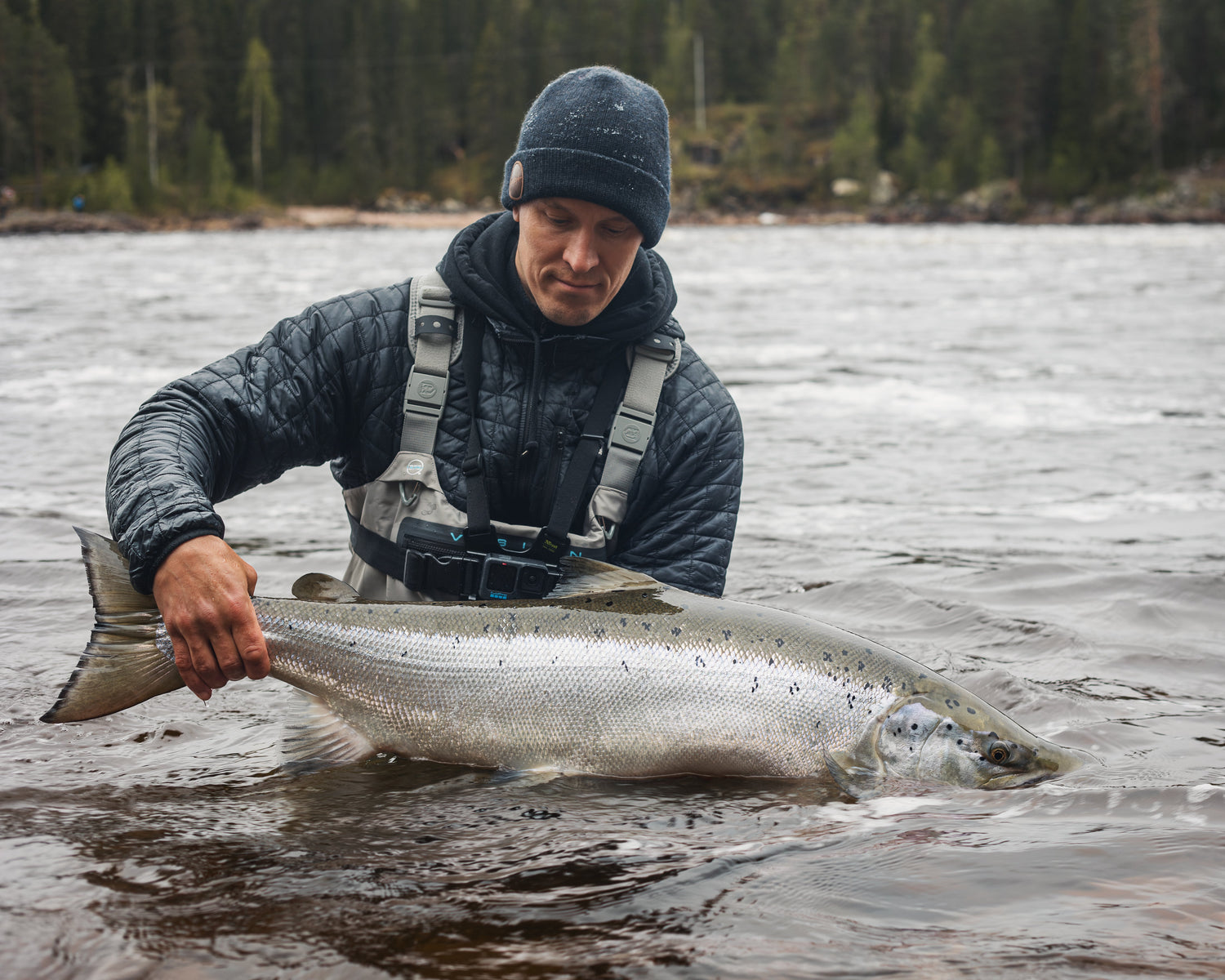
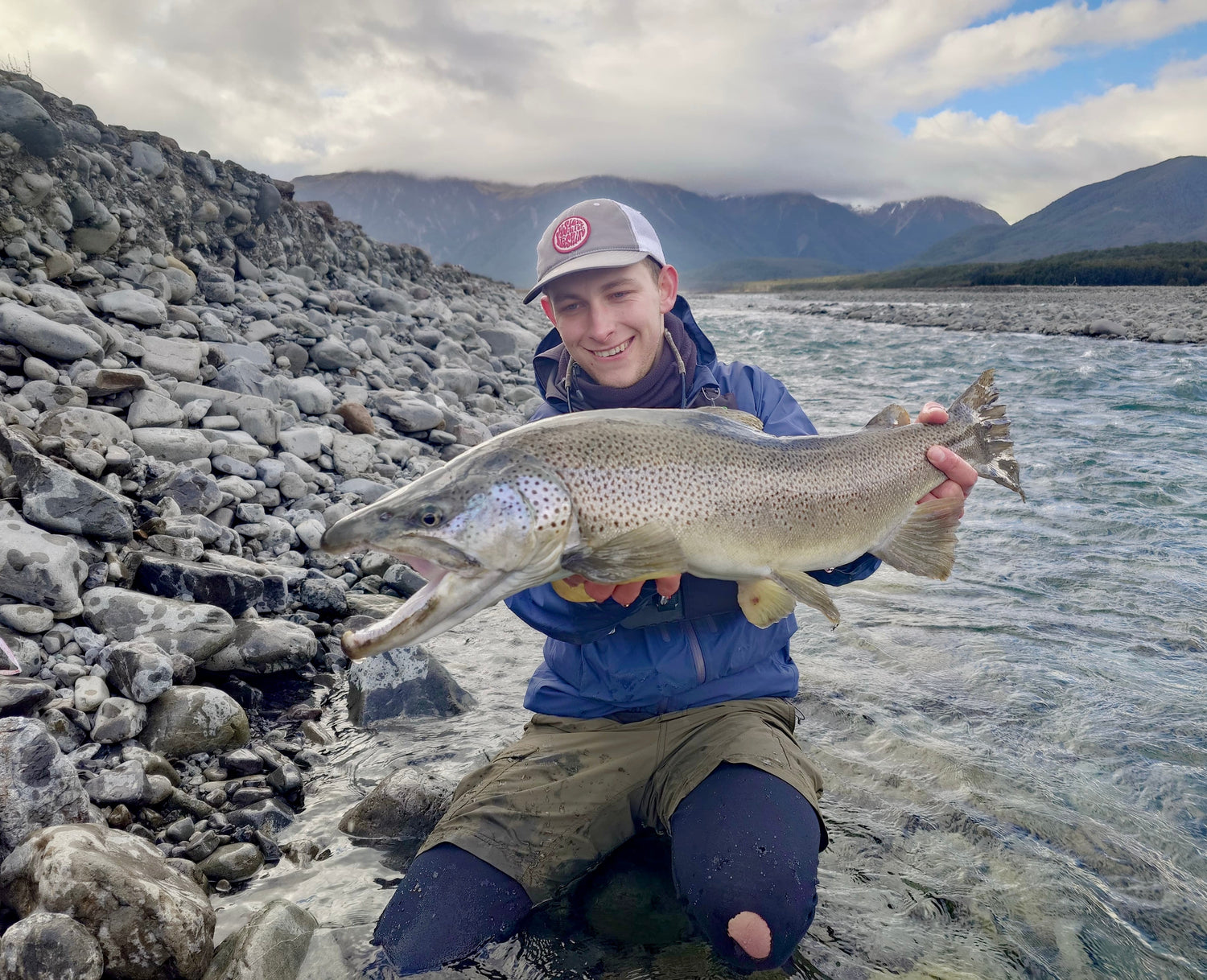
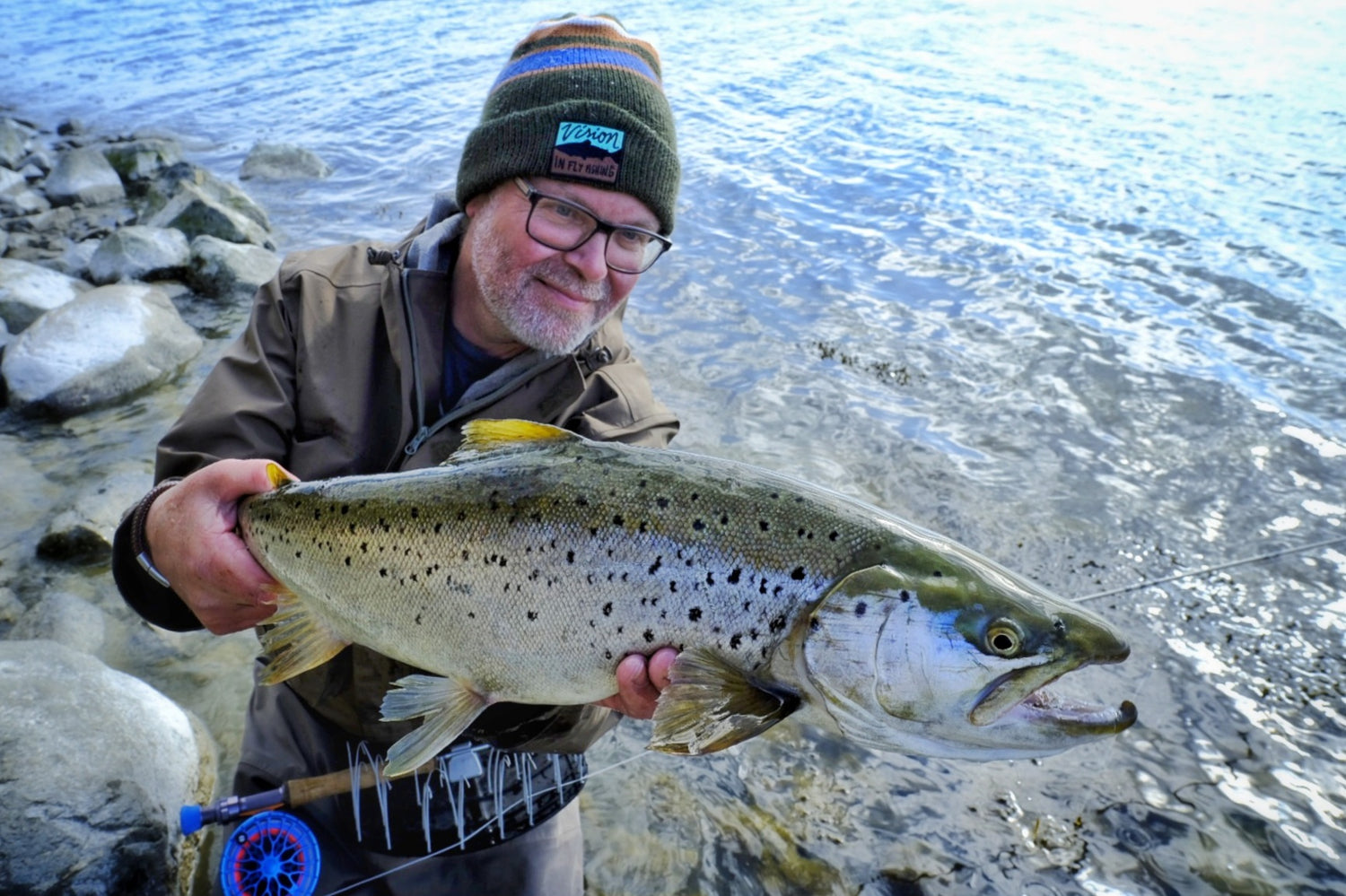
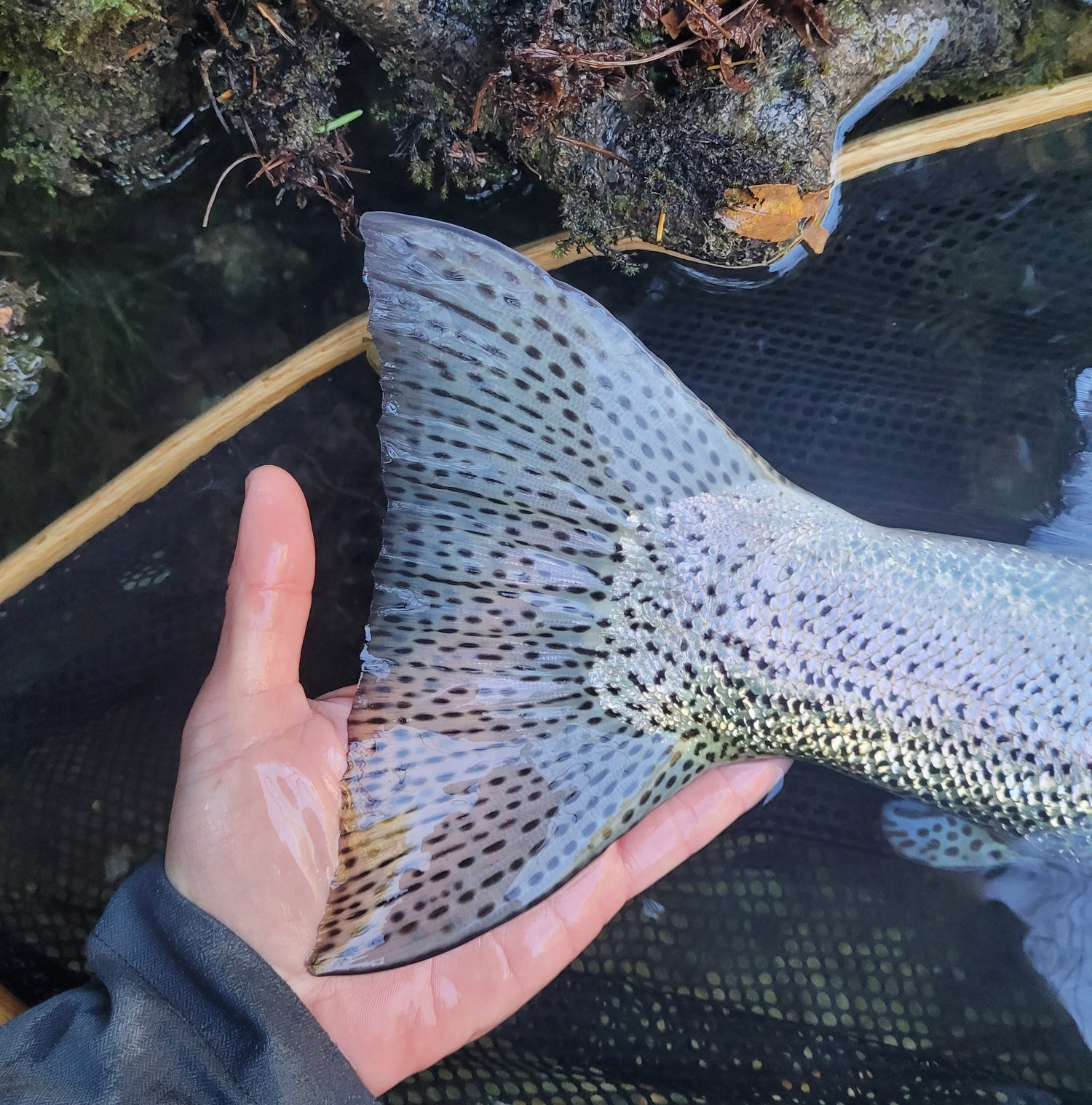
Proof that your dry fly is working.
A Bit of Biology
Steelhead are the anadromous form of rainbow trout (Oncorhynchus mykiss), sharing the same genetic makeup as their freshwater counterparts. They are naturally distributed throughout the North Pacific, from Russia’s Kamchatka Peninsula to Alaska and British Columbia, extending south into Northern California.
Unlike resident rainbow trout, which spend their entire lives in freshwater, juvenile steelhead adopt a migratory life strategy more comparable to salmon. Due to limited food availability in their natal rivers, they leave freshwater after roughly 1.5 to 3 years and migrate into the Pacific Ocean. There, they travel thousands of kilometers, feeding heavily and growing large and powerful—sometimes exceeding 30 pounds—before eventually returning to their home rivers to spawn.
Unlike Pacific salmon, however, steelhead do not necessarily die after spawning. Some survive and repeat this migration multiple times throughout their lives. This strategy provides steelhead with diverse life histories and greater resilience against the environmental challenges they face in both rivers and the ocean.
Steelhead are broadly divided into two genetically distinct runs: winter runs and summer runs.
Winter-run steelhead spend less time in freshwater before migrating to sea and typically return to rivers between November and April. They enter freshwater sexually mature and ready to spawn within days or weeks.
Summer-run steelhead, on the other hand, may spend up to three years in freshwater before migrating to the ocean. They return between April and November while still sexually immature, holding in deep pools and river systems for months as they complete their reproductive maturation. They often travel long distances into inland tributaries or occupy steep, smaller coastal streams and creeks.
In some rivers supporting both runs, winter and summer steelhead may coexist simultaneously and spawn during the same late winter or early spring period, despite remaining genetically distinct.
Why does all of this matter? Because their life history strongly influences their behavior in freshwater—particularly when it comes to dry flies.
While winter-run steelhead can occasionally be enticed to the surface, they tend to be singularly focused. Spawning dominates their instincts, and they generally do not feed while migrating upstream. Fresh from the ocean, they are aggressive and powerful, but cold winter water temperatures dull their responsiveness to external stimuli. Most strikes are likely territorial or reactionary rather than feeding-related. Very fresh fish may still retain traces of marine feeding behavior, but the cold water slows their metabolism considerably, making them unlikely to move far through the water column to intercept prey.
Summer-run steelhead are different. As juveniles, they spend extended periods feeding in freshwater, consuming whatever insect life those relatively nutrient-poor rivers can provide. After one to three years in the ocean, they return to rivers during much warmer conditions than their winter-run counterparts encounter. Warmer water temperatures make them more active, more aggressive, and far more willing to travel significant distances to attack a fly. Moreover, during their prolonged stay in freshwater, they often revert to distinctly trout-like behavior reminiscent of their juvenile years—including feeding on insects near the surface. It is not uncommon to witness summer-run steelhead rising to caddis flies in the middle of a glassy run on an overcast autumn day.
For these reasons, summer-run steelhead are the primary target for dry fly presentations.

The Gear
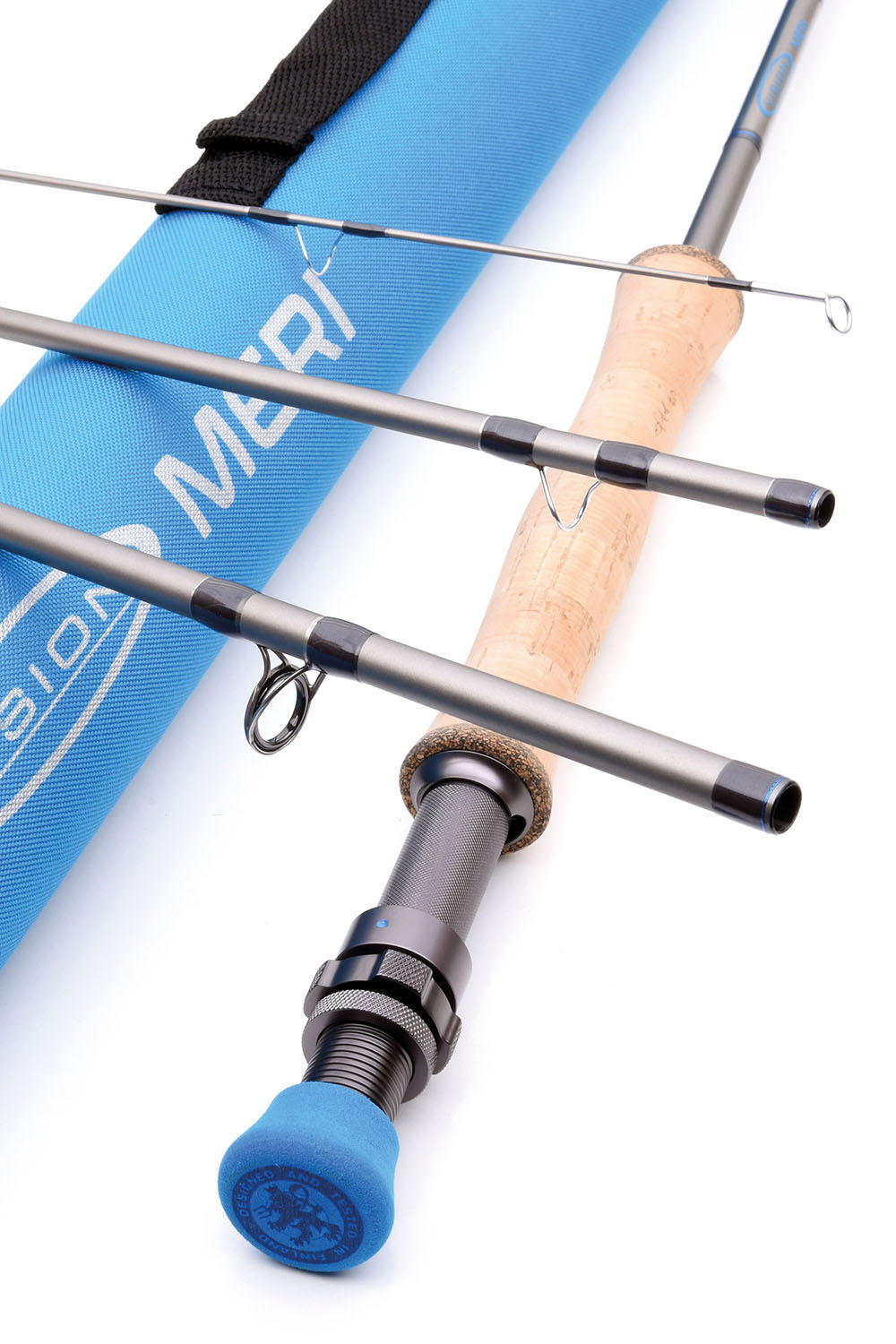
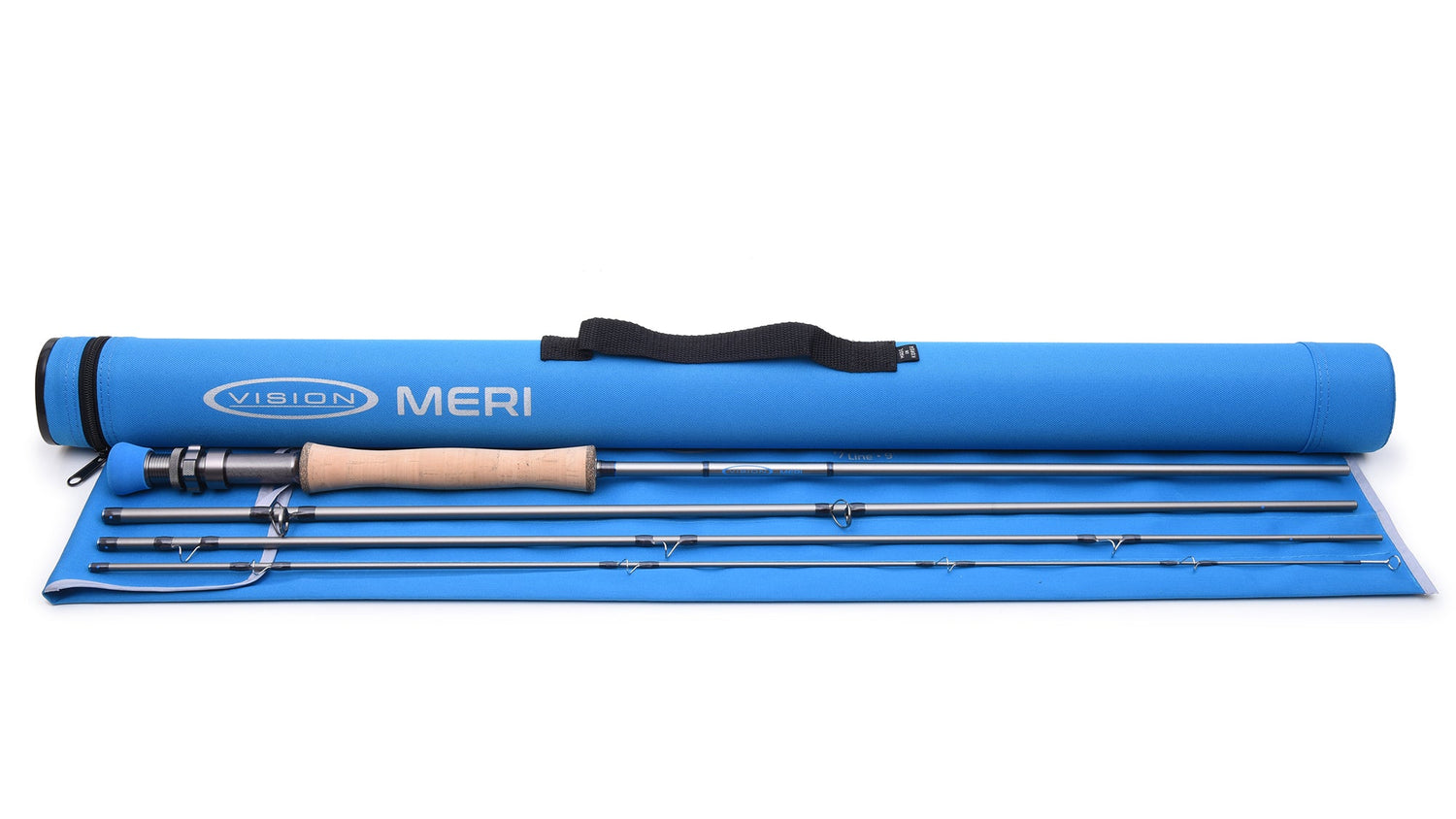
Gear for dry fly steelheading varies enormously depending on the water being fished. On large, broad rivers, anglers may favor long 15-foot 9-weight rods, while tiny coastal creeks may call for a 9’6” 6-weight single-hander.
Not very helpful, right? But that is simply the reality of steelhead fishing.
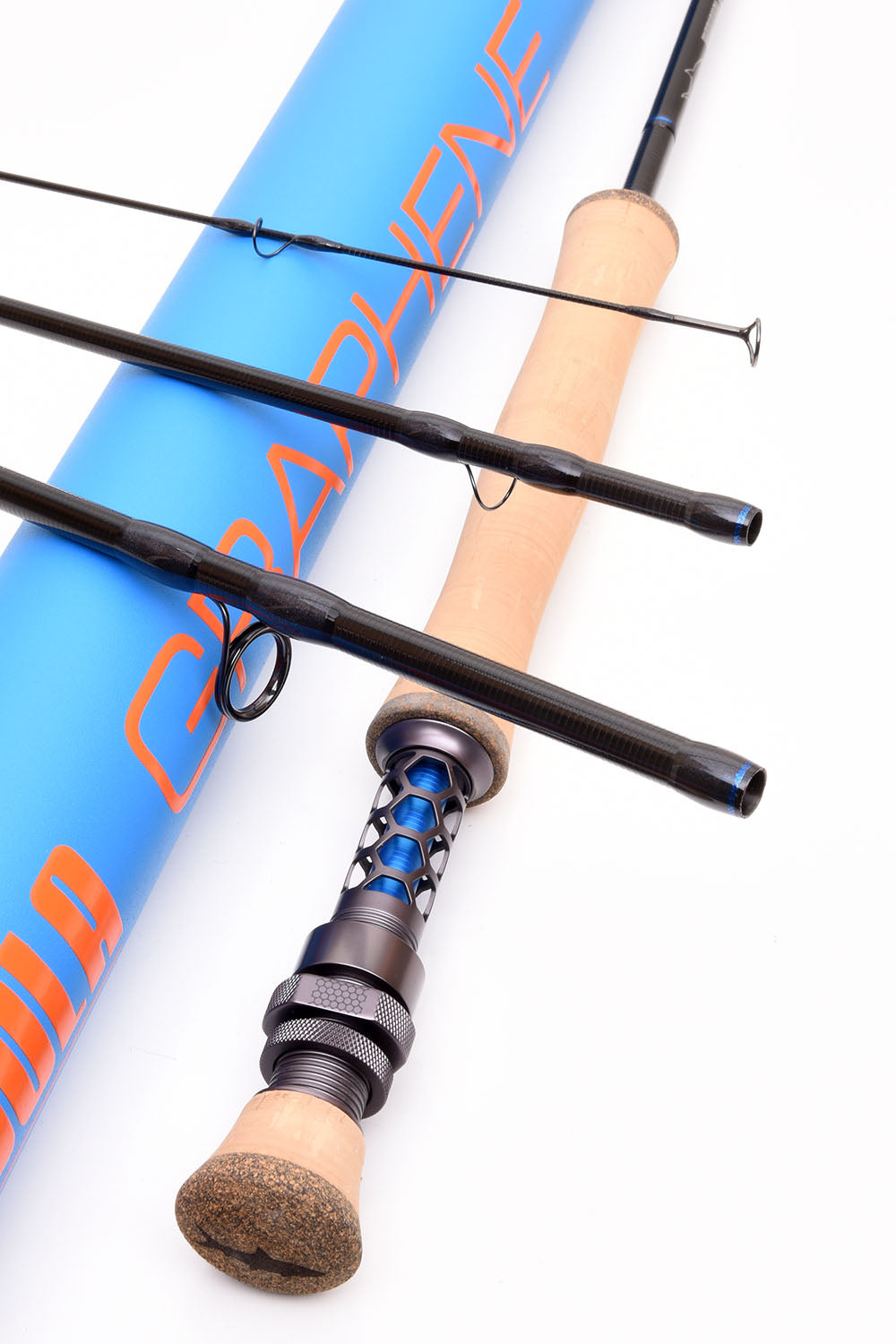
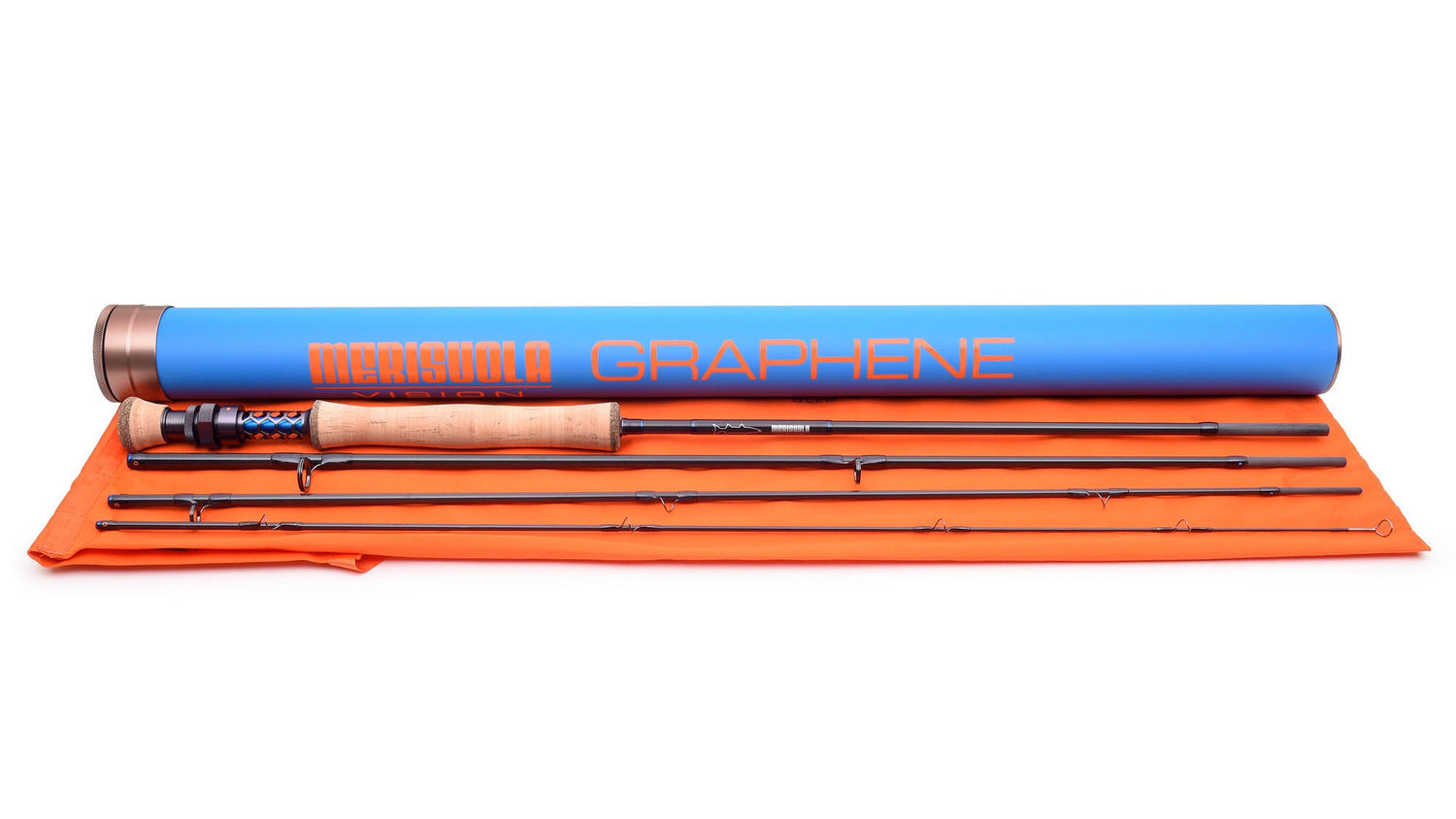
If you need a versatile setup capable of covering most situations, a 7-weight 11-foot switch rod works beautifully on smaller streams, while a 13-foot 7- or 8-weight Spey rod will handle larger rivers effectively.
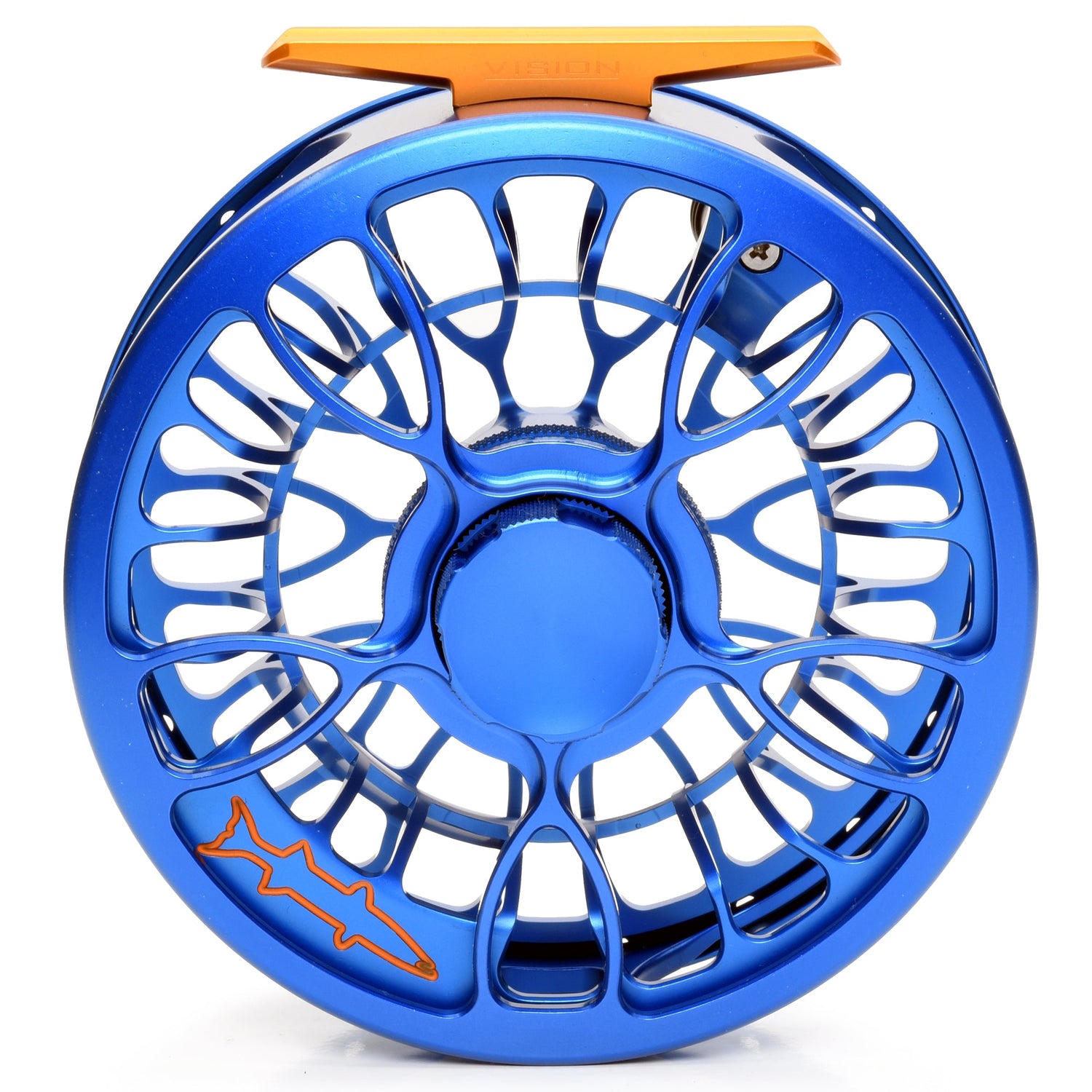
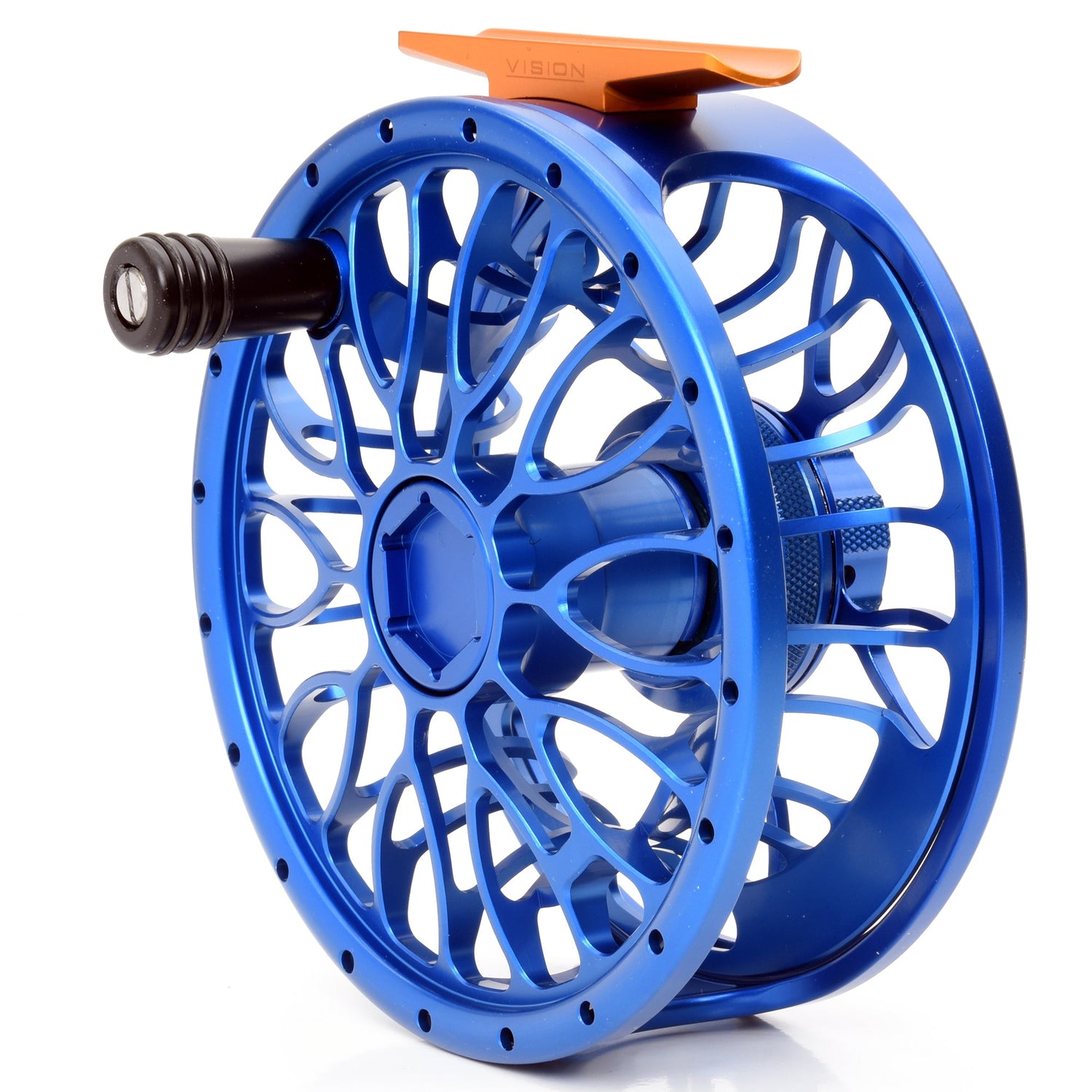
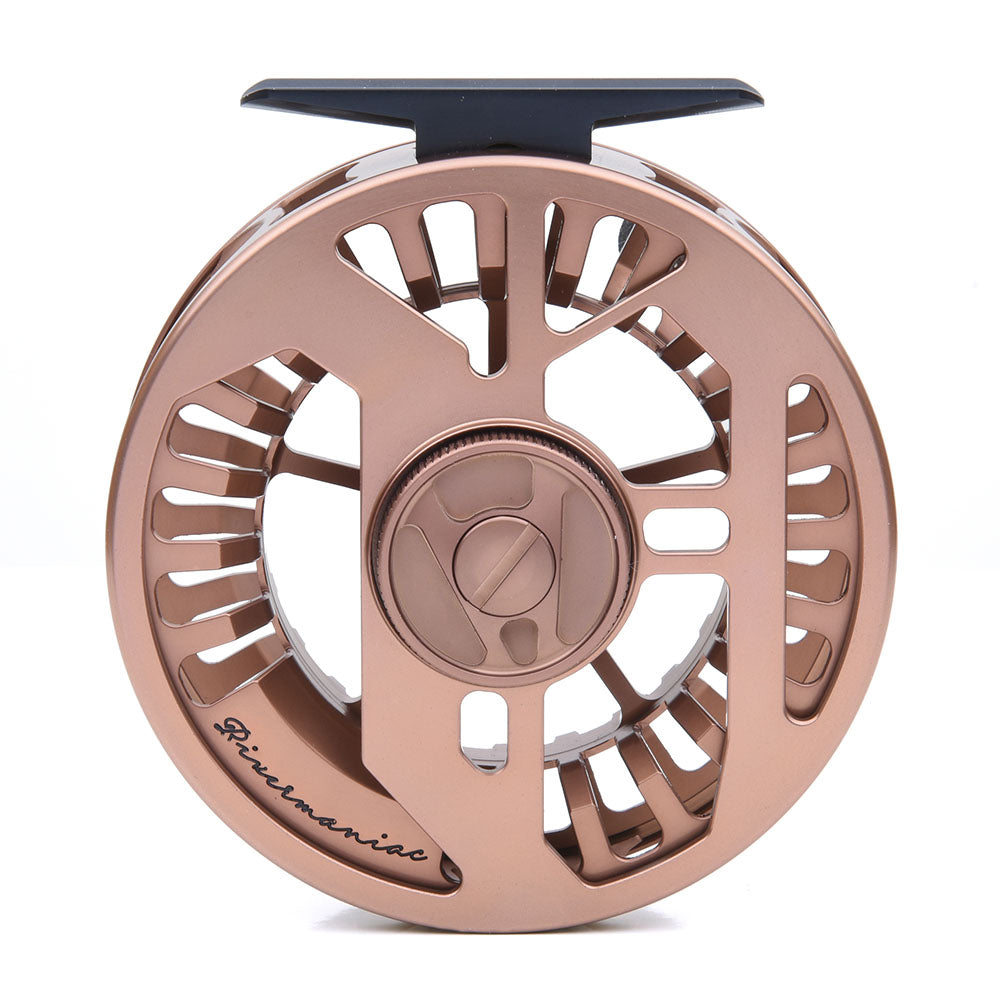
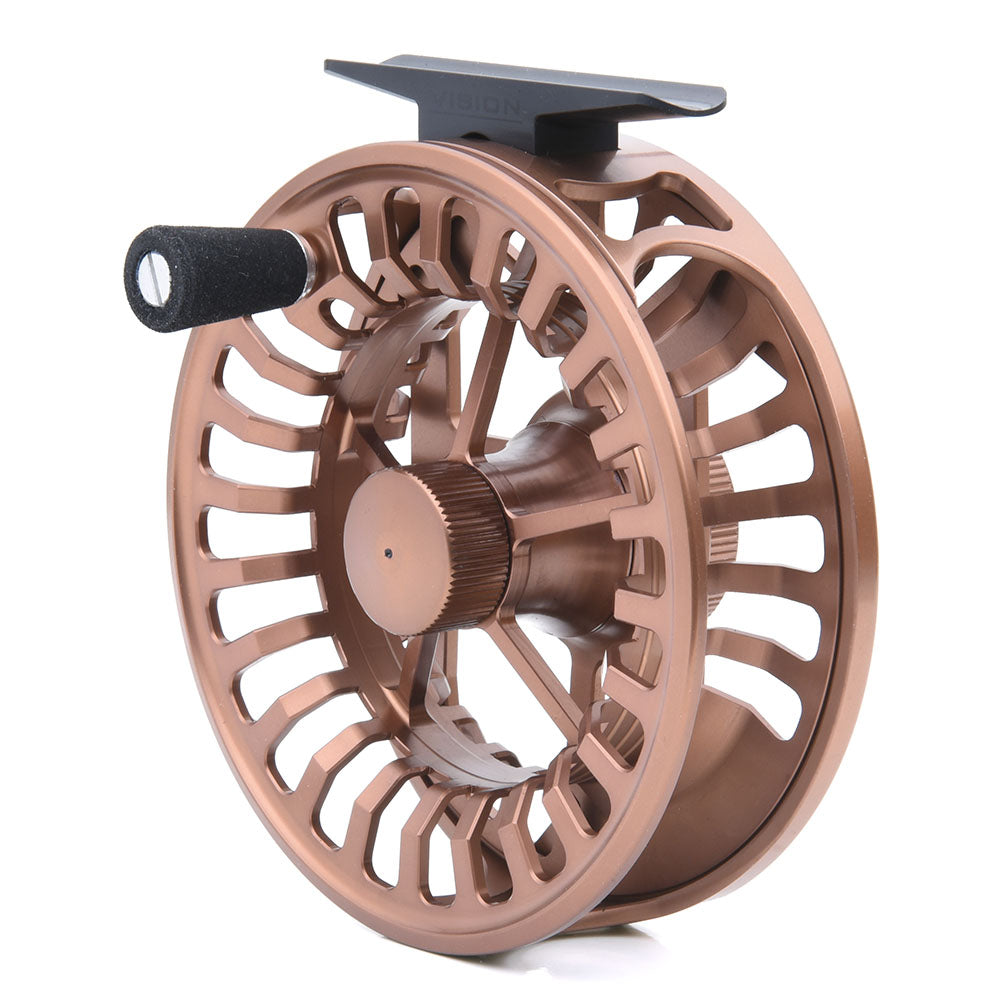
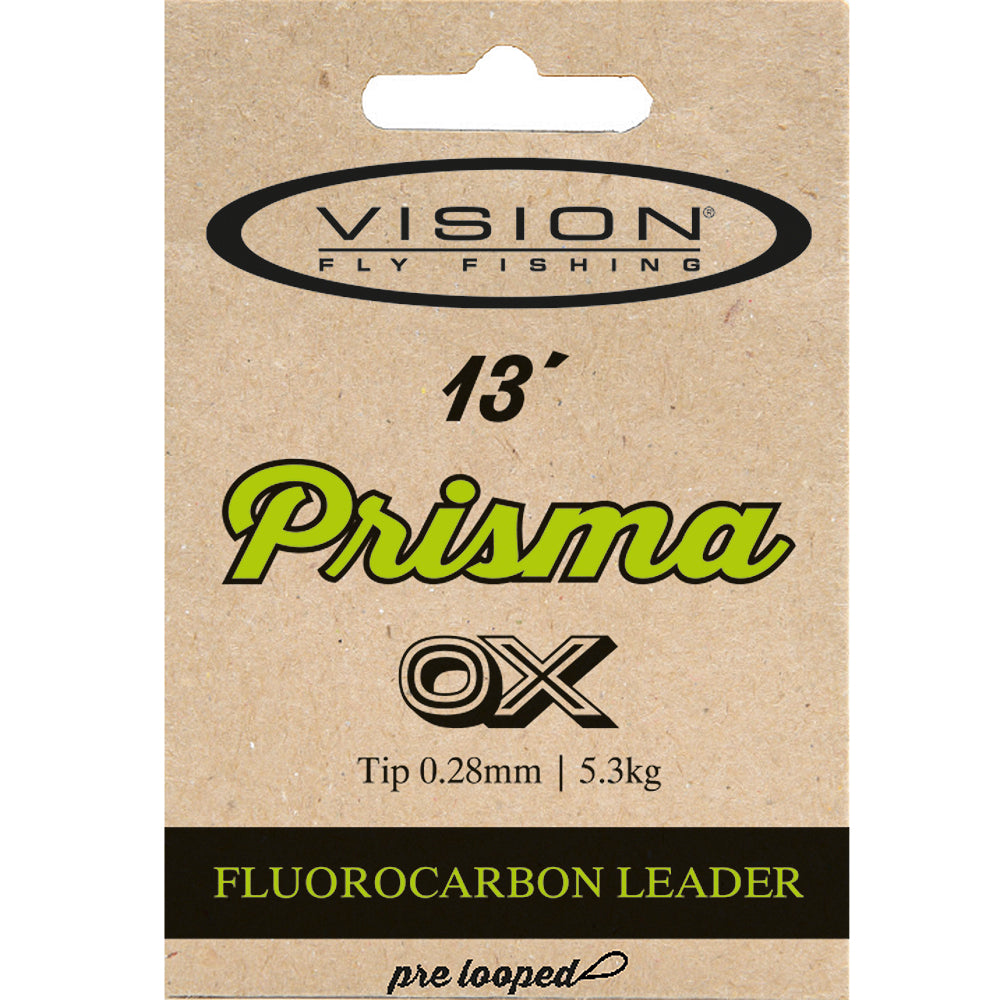
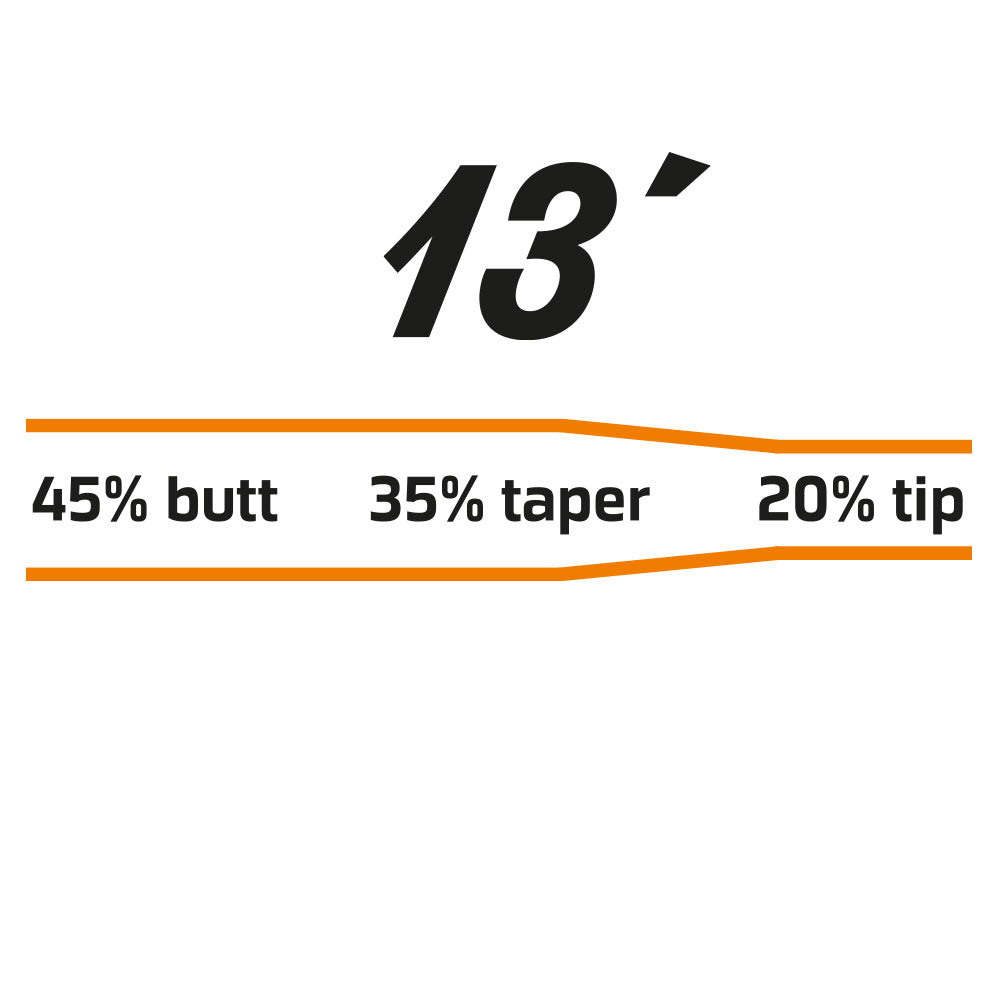
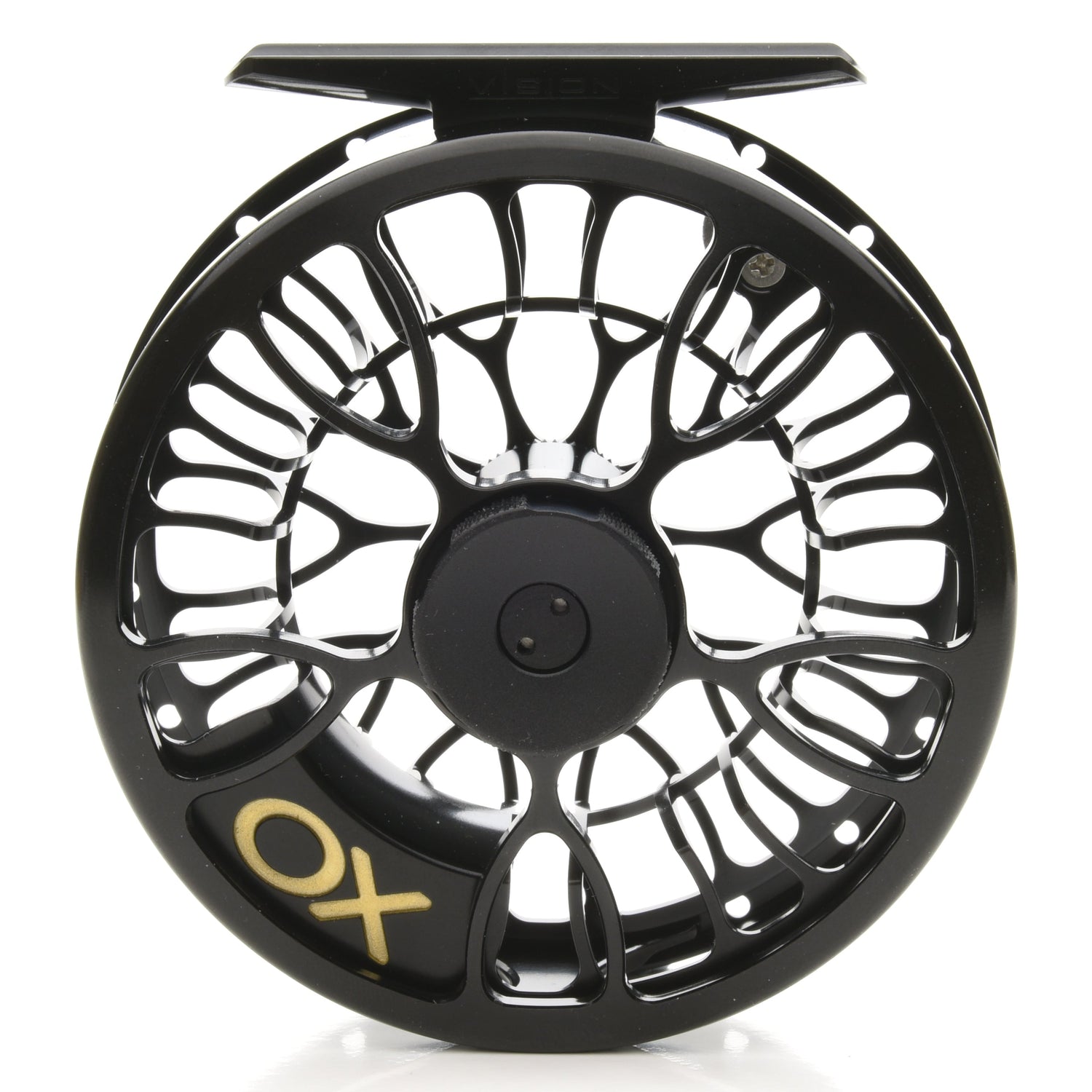
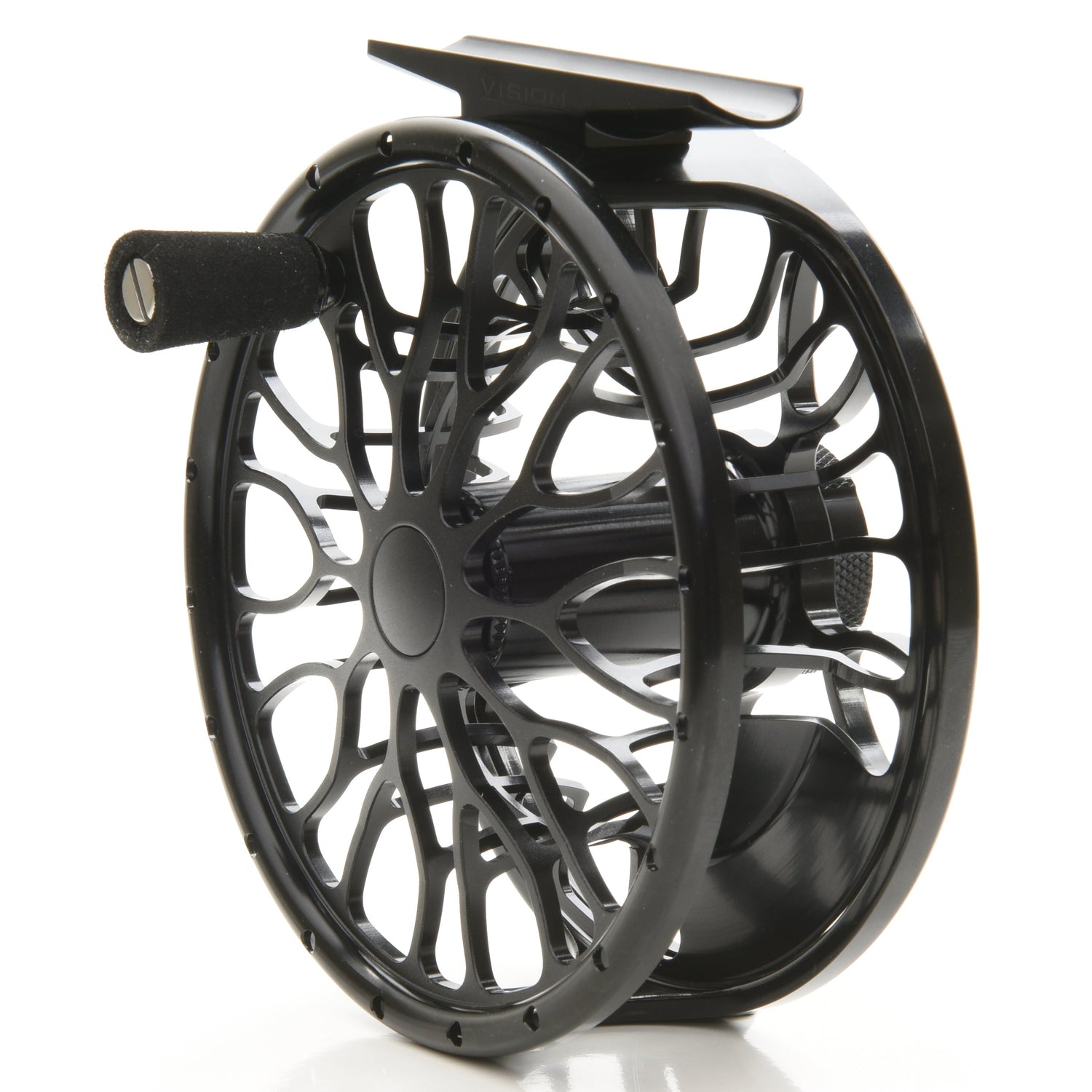
Paired with a solid, reliable reel, the rest of the setup is relatively straightforward: floating lines, long- or mid-belly Spey lines, or Scandi systems depending on available casting space. Leaders are usually either 12–15-foot tapered monofilament or an 8–10-foot clear floating polyleader combined with roughly 5 feet of tippet. Leader design is important because it must turn over relatively large, air-resistant, and often bushy flies at distance. For that reason, a stout tippet is preferred: 0.28–0.30 mm (15 lb) or heavier is standard. Strong tippet not only shortens fights and protects large fish, but also matters little to steelhead when the fly is traveling directly on the surface.
Dry fly patterns generally fall into two categories.
The first includes traditional designs such as Harry Lemire’s Greaseliner (1962), Roderick Haig-Brown’s Steelhead Bee (1969), classic Atlantic salmon Bombers, and muddler minnows. These flies excel when skated or waked across calm, glassy tailouts.
The second group consists of more modern patterns such as the POM Skater, Little Wang, Ska-Hopper, Finnerty’s Skater, and Klamath Skater. Many incorporate foam bodies or foam lips similar to gurglers, allowing anglers to fish faster water and impart aggressive, erratic movement. These flies often provoke explosive strikes even from lethargic fish.
Fly size also matters. Larger patterns generally perform better on big rivers, higher water, and fresh fish, while smaller flies tend to excel in low, clear water, smaller streams, and later-season conditions.

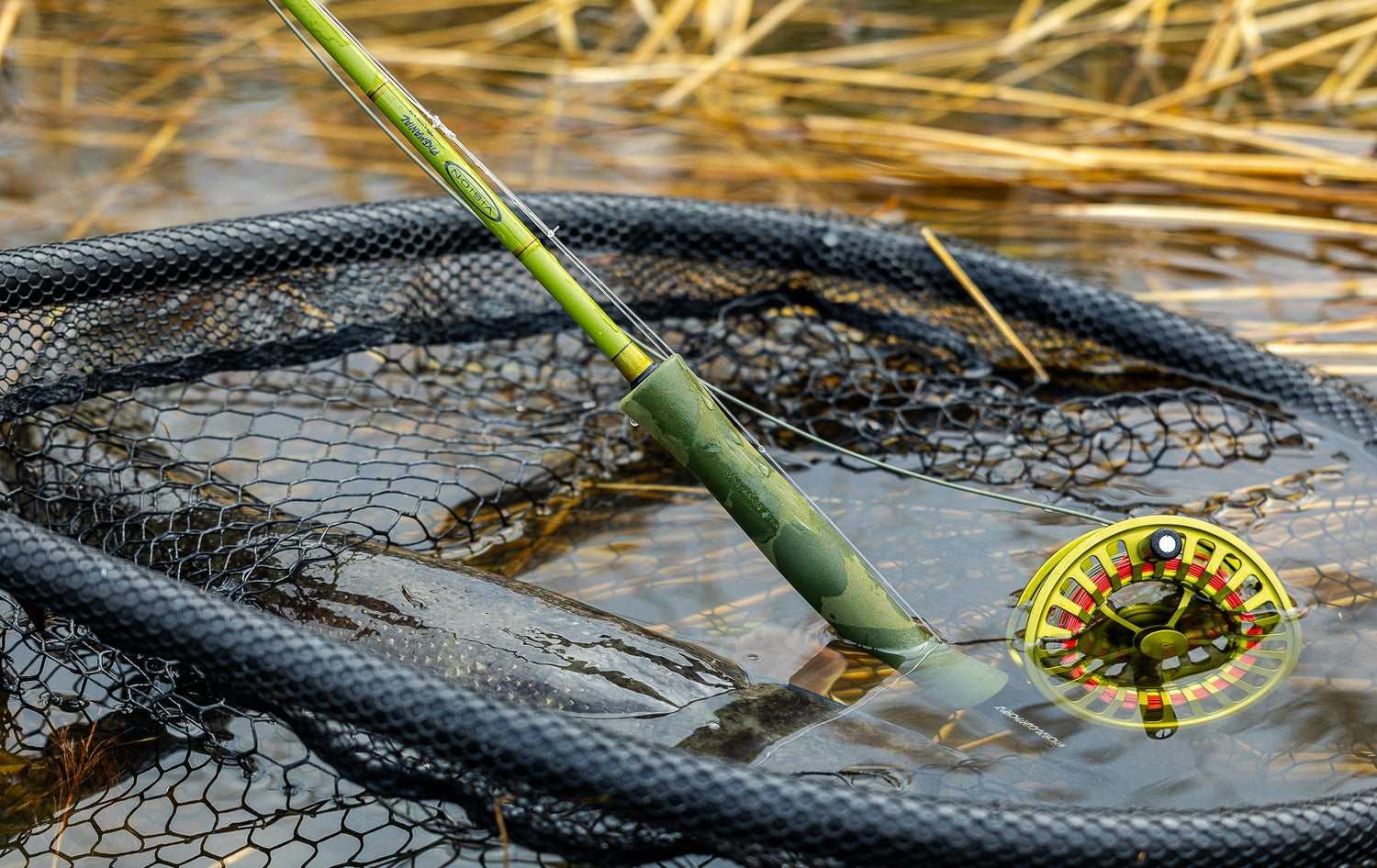
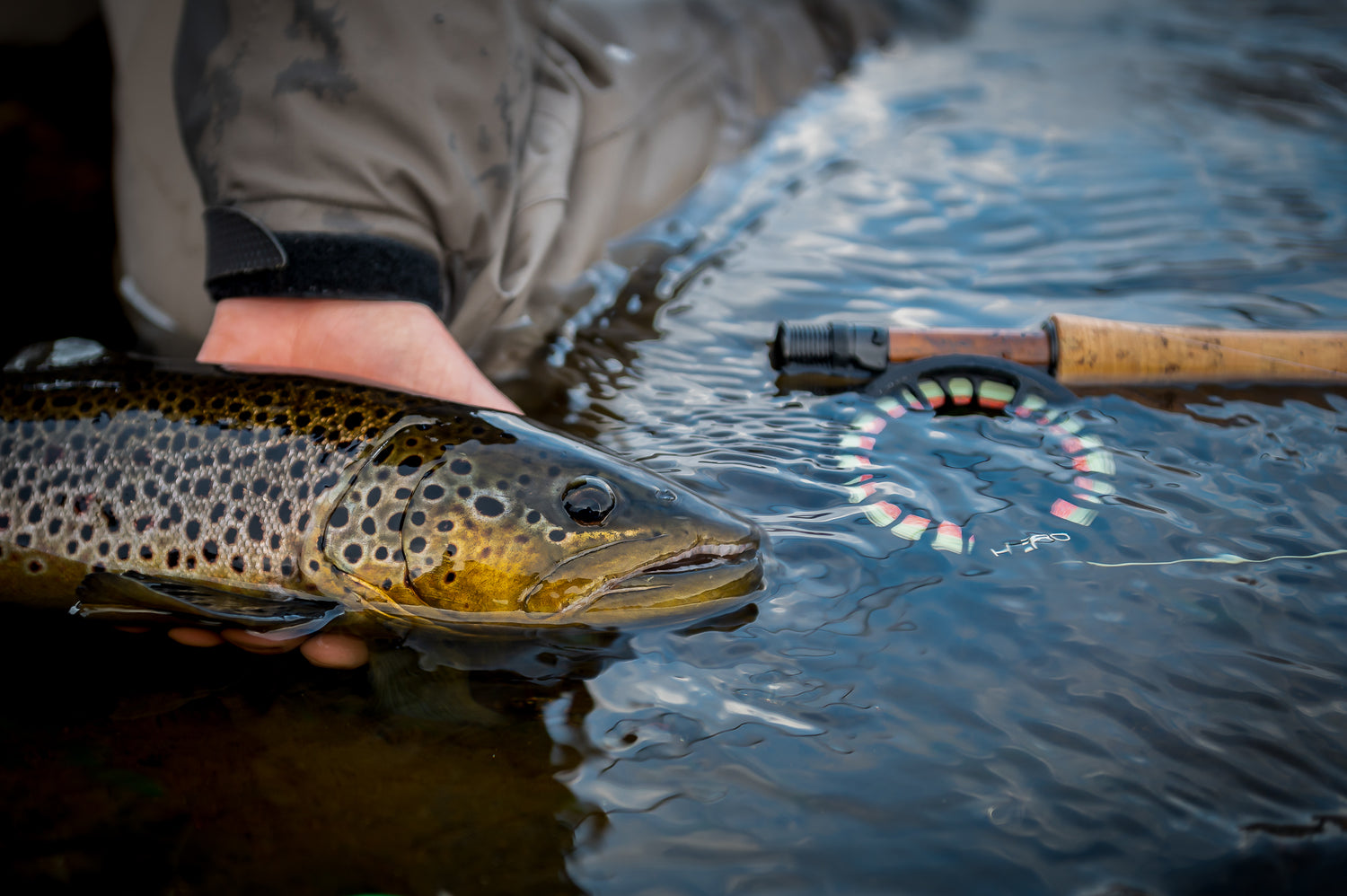
Triple Par Excellence; fish, rod and reel
The Presentation
First and foremost, dry fly fishing for steelhead is not always effective—not everywhere, not every day, and not under every condition. There are times when fish simply refuse to rise. Bright sunlight commonly discourages surface activity. Sudden changes in water temperature can slow fish metabolism and make steelhead sluggish. Heavy fishing pressure can also make fish wary and less likely to commit.
Water levels, however, may be the single most important factor. More than influencing fish behavior directly, river flows dramatically affect how the fly moves across the surface. There is a relatively narrow window in which the fly travels at exactly the right speed and angle. If flows are too high and fast, the fly skips unnaturally across the surface, making it difficult for fish to track or intercept it. Conversely, during low summer flows—especially in deep holding pools—creating sufficient movement becomes difficult, often requiring rod manipulation or line stripping to animate the fly. Sometimes, even that is not enough. Under such conditions, swinging wet flies or fishing heavier jig-style patterns may prove far more effective than skating dries.
Ideally, the fly should skate or wake across the surface at a slow, steady pace—roughly one foot (30cm) per second. In a perfect run, this is achieved by casting approximately 45 degrees downstream and across, allowing the current to form a belly in the line that gently drives the fly broadside across the river. Of course, ideal conditions rarely exist. In practice, casting angles may vary anywhere between 30 and 60 degrees downstream. Generally speaking, the shallower the casting angle, the slower the fly moves.
In reality, there are countless ways to present a dry fly to steelhead. Sometimes the cast must land beneath overhanging trees on the far bank, allowing the fly to dead drift briefly before the current gradually engages the line and begins pulling the fly downstream. Other times, anglers intentionally twitch the fly upstream beside a fast chute or seam, creating erratic movement designed to trigger aggressive reactions. Sometimes, even a full dead drift works. The possibilities are virtually endless, and experience ultimately determines what presentation works best in a given situation. The objective is always the same: move the fly in a manner that appears alive and believable.
One of the most debated aspects of dry fly steelheading is whether to twitch the fly or not. Traditional presentations generally favor a steady, untwitching skate. This approach works especially well with classic flies that are not designed to handle aggressive movement and excels over smooth tailouts and glassy runs. It can also be highly effective as a follow-up presentation to a fish that previously rose and refused/missed.
Conversely, twitching creates a far more erratic and animated wake, often making the fly appear more alive. This style can trigger violent surface takes from otherwise inactive fish, especially in choppy water or near fast seams and pocket water. However, it requires flies built to withstand repeated tension and movement—typically foam-lipped patterns.

Emiliano sending it.
Where and When to Fish Dry Flies for Steelhead
Simply put, dry fly presentations can work anywhere steelhead are holding. That said, some water types are far more productive than others.
Classic steelhead runs—3 to 6 feet deep with moderate current and scattered submerged boulders—are ideal dry fly water. These “boulder gardens” create current breaks and holding lies while still allowing fish to move upward comfortably. Nevertheless, active fish may rise from surprisingly deep water. Fast, oxygen-rich riffles at the heads of pools can also hold fish, particularly during warmer summer months when steelhead seek cooler, oxygenated water. Tailouts remain another classic location worth careful attention. Any structure capable of creating shelter—rocks, logs, secondary currents, ledges—is worth exploring. Steelhead often occupy improbably small or overlooked lies.
Timing also plays a significant role. Early in the season, freshly arrived fish are often reluctant to rise, especially during bright midday conditions. Even when they do, they frequently miss the fly or react awkwardly/clumsily, as though their surface-feeding instincts remain rusty after years in the ocean. As the season progresses, fish tend to rise more confidently and commit more cleanly. Steelhead can rise at any time—even under bright afternoon sun—but overcast days generally produce more consistent action, particularly early in the season when fish are still accustomed to the dim depths of the ocean. For the same reason, early mornings and late evenings are often the most productive windows for dry fly fishing. Heavy rain can suppress surface activity by muffling disturbances on the water, though a gentle drizzle often remains productive.

Final Thoughts
There is no exact science to steelhead fishing—and that becomes even more true when dry flies enter the equation. You may think you have everything figured out, only for a single fish to completely challenge your understanding. But that uncertainty is part of what makes steelheading so compelling. Every hour on the water adds experience, and eventually, those lessons begin to pay off. After all, that is the beauty of it. So, get out there, tie on a dry fly, and enjoy the next 999 casts.

Even if it took 1000 casts, it's more than worth it.
Now you got hooked to try it?
Contact Emiliano Di Cicco – Nile Creek Fly Shop
nilecreekflyshop[at]gmail.com
emiliano.dicicco[at]unicam.it
Who is Emiliano?
Emiliano is fly fishing guide, fly casting instructor and fly tier for Nile Creek Fly Shop in Vancouver Island, British Columbia, Canada. Italian transplant, Emiliano has been a long time pro-team member for Vision Fly Fishing Canada. Obsessed with steelhead fishing, he has spent the last eleven years exploring the most remote rivers and streams of Vancouver Island in search of the best spots to fish for this elusive fish.
Follow Emiliano on Instagram: emiliano.dicicco_
Follow Emiliano on Facebook: Emiliano Di Cicco